


Goldpine
Where the Season Starts: Kaiaponi Farms - Gisborne
On the fertile flats of Gisborne, where the growing season arrives a week or two ahead of the rest of the country, Kaiaponi Farms has been steadily evolving for more than 120 years.
General manager Barton Witters represents the latest chapter in a long family connection to the land. Over more than a century, the business has continually adapted to changing markets and conditions. “We’ve been operating in some shape or form for over 100 years. What we’ve grown and been involved in has changed dramatically,” he said.
Ownership today remains anchored in that history. “My family’s been involved in Kaiaponi during this entire time and have partnered with DCD Orchards Ltd who make up the other 50 percent of the shareholding,” Barton explained. The partnership model had enabled further investment and capability, while retaining strong family influence.
He credited his father, Cedric Witters, and the previous general manager Scott Wilson, with helping drive a key transformation. “My father has been involved his whole life, and moved Kaiaponi into permanent horticulture and new packing post-harvest technology,” he said. That investment in infrastructure and systems positioned the business to compete in increasingly quality-focused export markets.
In its early years, Kaiaponi Farms was far from the specialised horticultural operation it is today. “It has been involved in a range of things over the years including cropping, sheep, and then transitioned into grapes and stone fruit,” he said. “What we’ve chosen to stick with over the last 40 years has been kiwifruit, apples, citrus and feijoas.” The move into permanent horticulture reshaped the farm’s direction and set the stage for future growth.
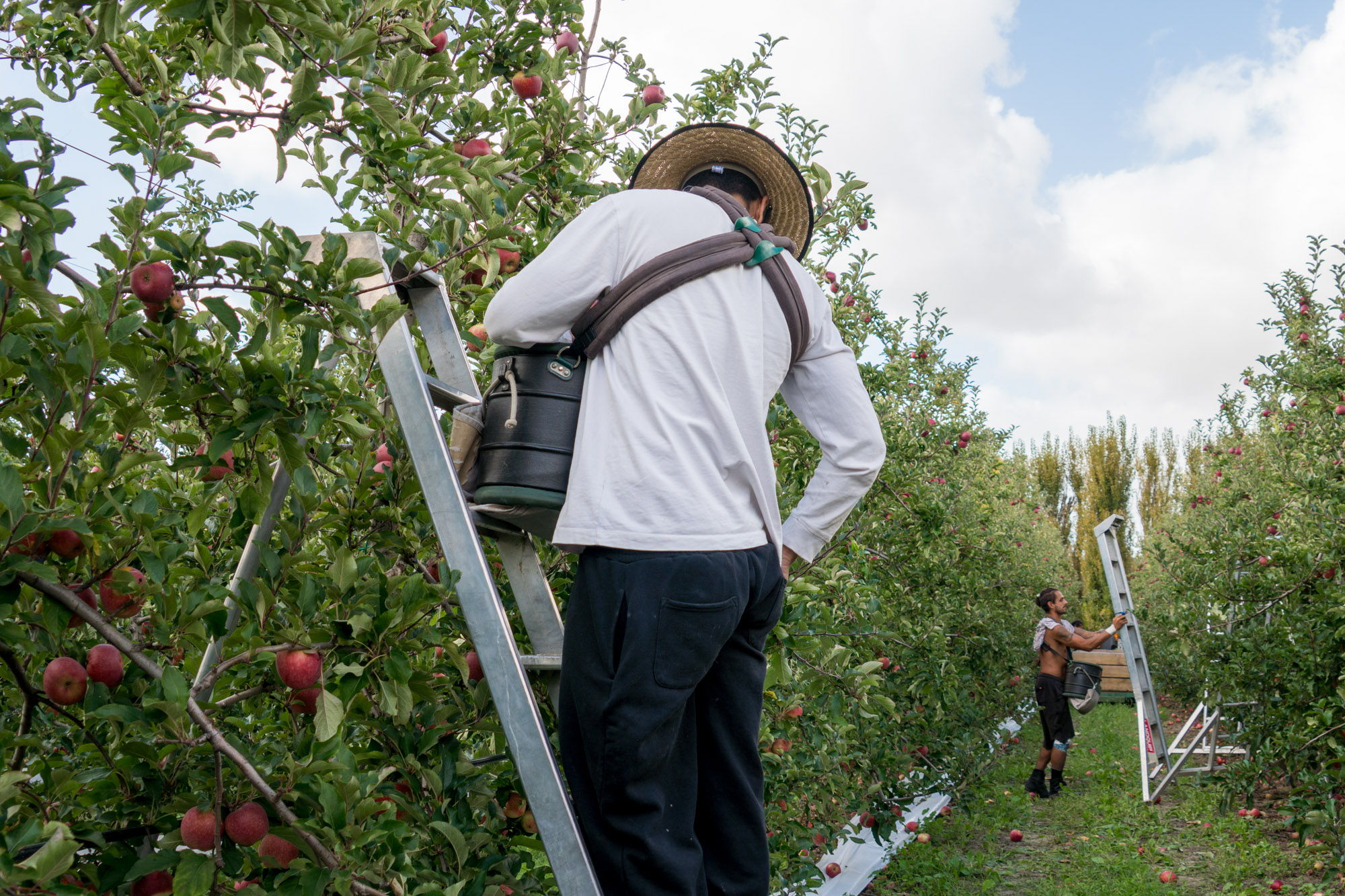
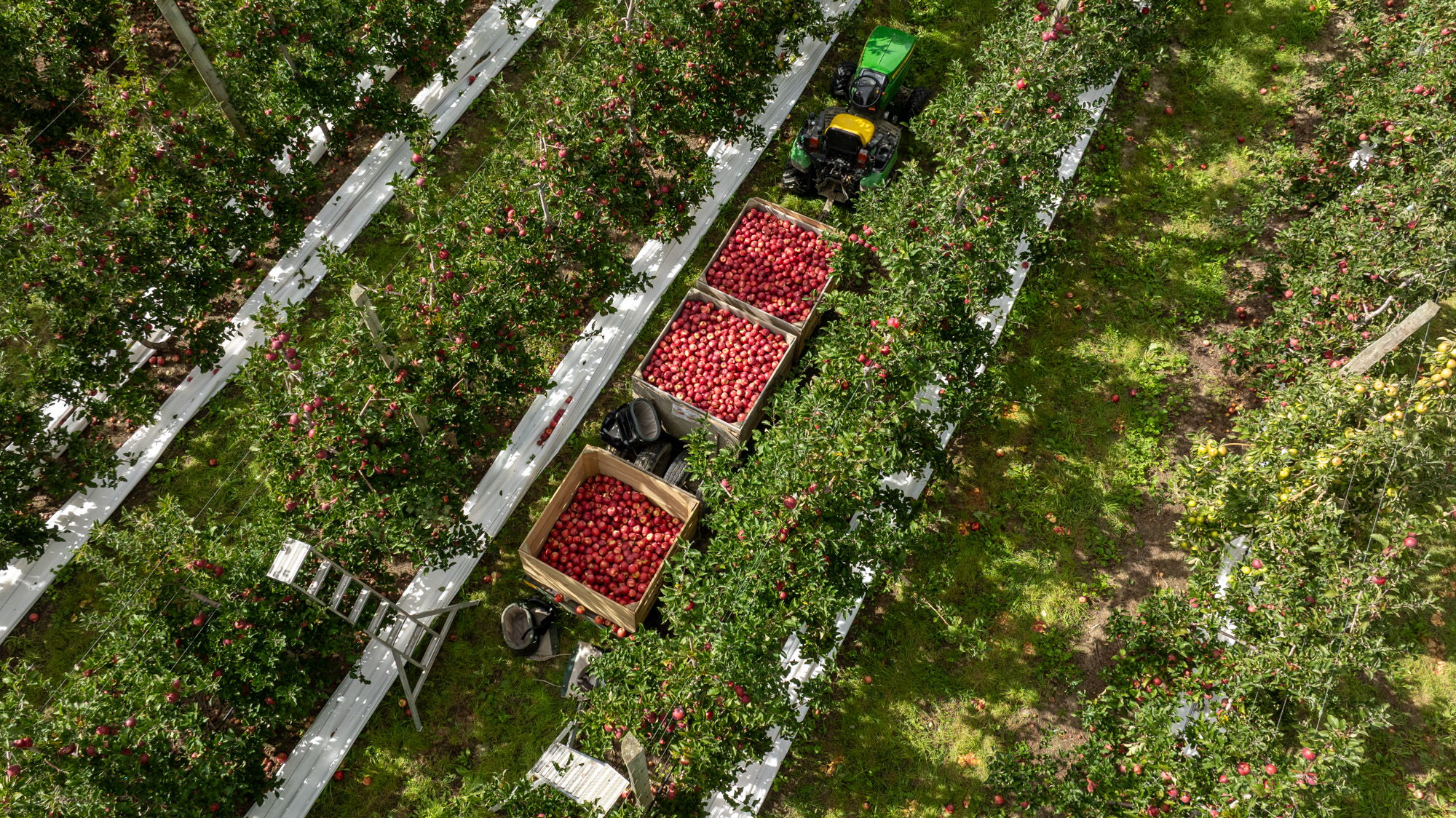
Today, Kaiaponi grows across around 180 hectares, spread over seven sites, all within Gisborne. We have around 90 hectares of apples, approximately 40 hectares of SunGold kiwifruit, and also feijoas and citrus,” he said.
The regional focus was deliberate. “We are 100% Gisborne focused. We have our challenges with freight coming and going into the region, but there are also lots of positives,” Barton said.
“The key point of difference for Gisborne is that we are one to two weeks earlier than other regions for most product types, which allows us to get to market. They know that when our fruit arrives, it’s the start of that fruit season.”
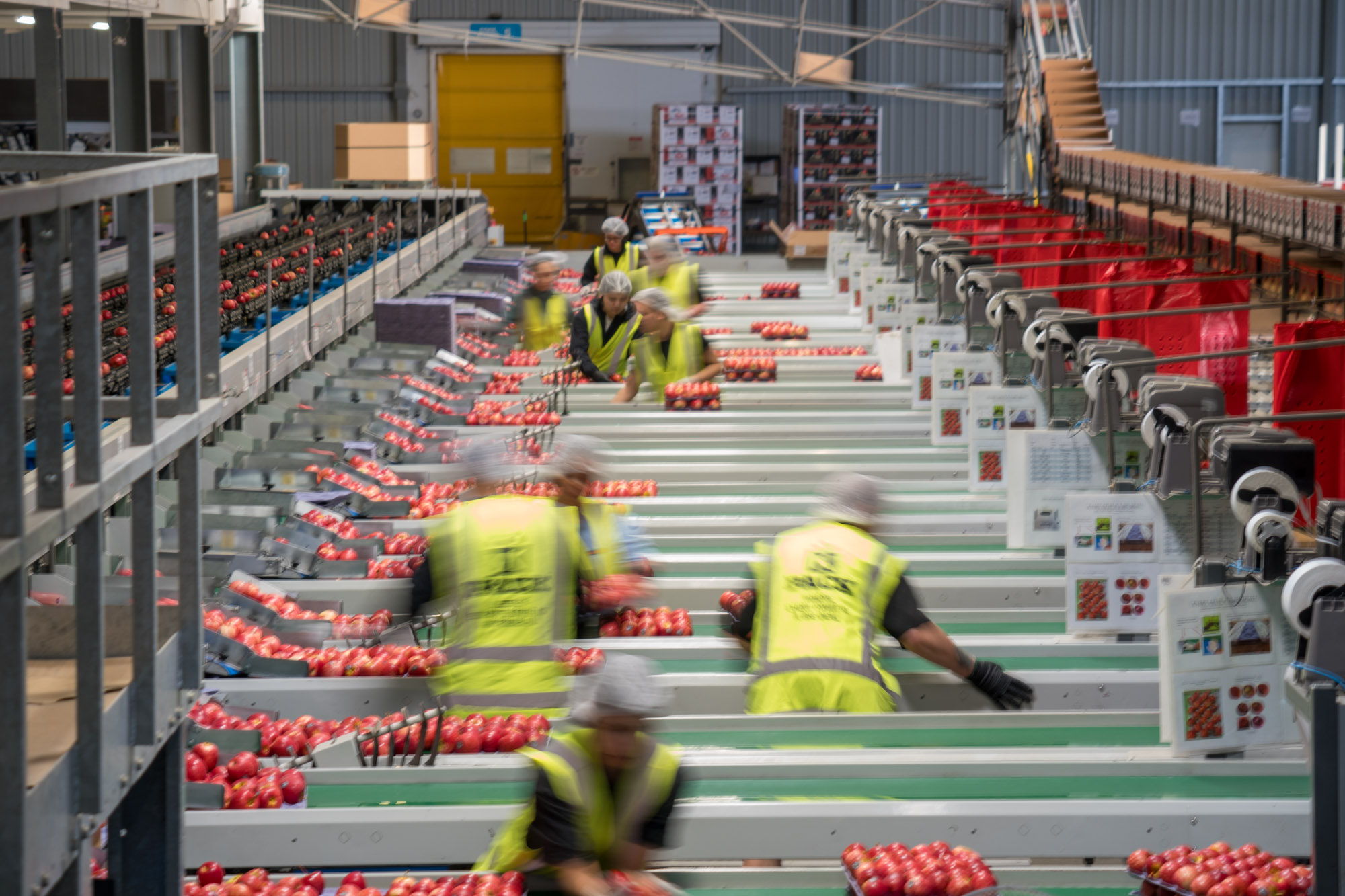
Scale through the packhouse reflected that focus. “We pack approximately 700,000 cartons of apples annually. We grow between 500,000 and 600,000 trays of kiwifruit, and we pack approximately 10,000 tonnes of citrus,” he said. Apples were predominantly export-driven. “We grow apples predominantly for the export market concentrating on China, Vietnam, Taiwan, and India. We are now also sending more grades of apples into the US and Canada.”
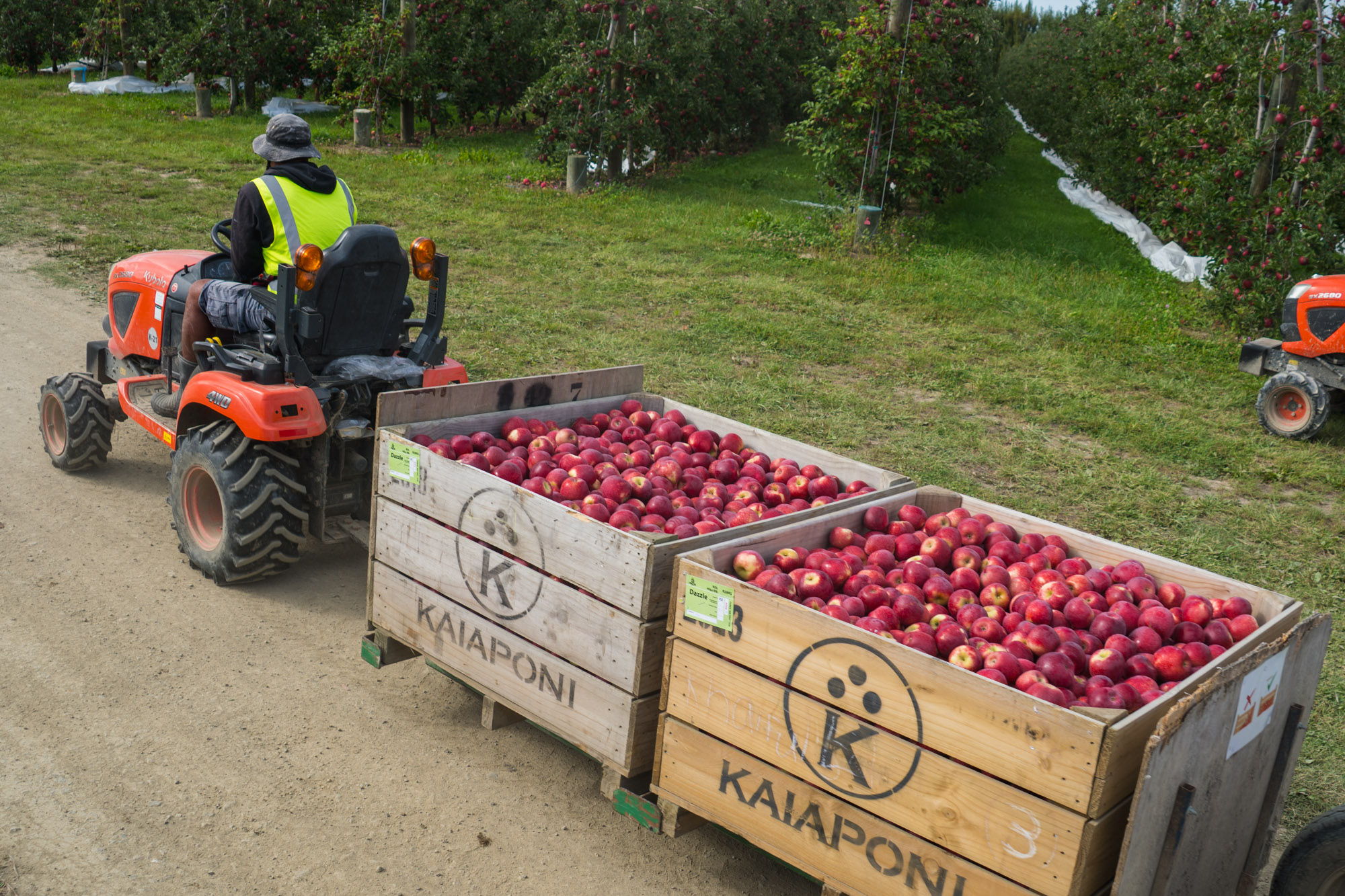
Building brand recognition off shore had become an increasing priority. “Just recently, we’ve released our own K Fruit Apple export brand, which has started to get a following,” he said, noting that consistent quality was essential to maintaining shelf space year after year. This variety comes in striking black boxes, so the consumer can recognise the brand and the start of the fruit season.
That focus on quality was underpinned by a philosophy of continual refinement. “We’re constantly trying to tweak, improve, do it better every year, because those around us will always be doing the same,” Barton said. “If we do a better job than average, we will maintain space for our fruit in the market year after year. So improving quality towards the top end is important to us.”
Improvement extended well beyond the orchard rows. “Doing a better job, year on year, is constantly improving across lots of areas. There’s fruit quality, sustainability in terms of doing better by the environment,” he said. Equally important were the people behind the operation. “Making sure staff want to be coming to work each day and enjoying it here, and making sure people are rewarded, recognised and celebrated for their efforts.”
Leadership, he explained, was less about hierarchy and more about support. “While I might be in the GM role, I’m really a coordinator and supporter of the orchard and post-harvest team. The key message there is having the right people in those positions throughout the business,” he said. “The right people in the right roles start making things hum.”
Sustainability initiatives reflected that same mindset of steady progress. “We’ve made a significant investment in solar which meets around a third of our power needs. We’ve also done initiatives on wetland plantings in areas and streams adjacent to our orchards,” he said. He was clear the journey was ongoing. “It’s like fruit quality. No one’s perfect, and we’ve got to constantly improve and identify where our weaknesses are.”
Diversification was another cornerstone of the business model. “We’ve chosen to be more diversified than others.” Barton said. “By being diverse, it allows us to deal with the peaks and troughs of each of those separate products throughout a natural 10-year cycle.” That spread of crops also supported a stronger employment model. “The benefit of that is we’re able to hire a larger percentage of permanent full-time staff , rather than just seasonal roles,” he said, noting that maintaining permanent staff helped strengthen community ties, alongside local involvement such as sponsoring a surf club
Looking ahead, growth was planned carefully. “Some of the areas we’re looking at include expanding our packing facility and an additional cool storage which gives us the potential to pack up to a million cartons. We also want to expand our orchard operation into other varieties of kiwifruit and new varieties of apples,” he said. The ambition, however, remained measured. “We’re always trying to sustainably expand. We’re not trying to be the biggest operation out there. We just want to do things better and more efficiently.”
In a region known for leading the season, Kaiaponi Farms is focused on leading through consistency, diversification and a commitment to improvement, ensuring that when the fi rst fruit of the year reaches the market, it carries not just the taste of Gisborne but the work of generations behind it.