


Goldpine
The Forrests Hiding in Plain Sight : Whakatū, Nelson
The future of forestry in New Zealand may not only be found in vast plantations or large-scale harvesting operations. It may also be found in the steep gullies, forgotten corners and erosion-prone hillsides scattered across thousands of farms places that are often difficult to manage but have the potential to become thriving forests. For Chris Ensor, co-founder of Nelson-based Mosaic Aotearoa, these parts of the landscape represent an opportunity to rethink what forestry can look like on a farm
After a decade working in forestry, including time in plantation forestry in the top of the South Island, Chris’s focus has shifted towards helping forests become part of a wider farming system - whether through native regeneration, erosion control, biodiversity restoration or carefully selected timber plantings.
.jpg)
Mosaic Aotearoa was founded in 2023 after Chris, and business partner Gerry Dysart, recognised that many farmers were looking for ways to make better use of the challenging parts of their properties. “We were both working in a plantation forestry company and realised that our passion was far more working with farms and putting the right forests in the right place,” he said.
“Mosaic was built because we really believe things can be done better, and we’re really excited about native forest. It’s what gets us up every day. It’s such a positive thing to create a habitat rather than just a forest.”
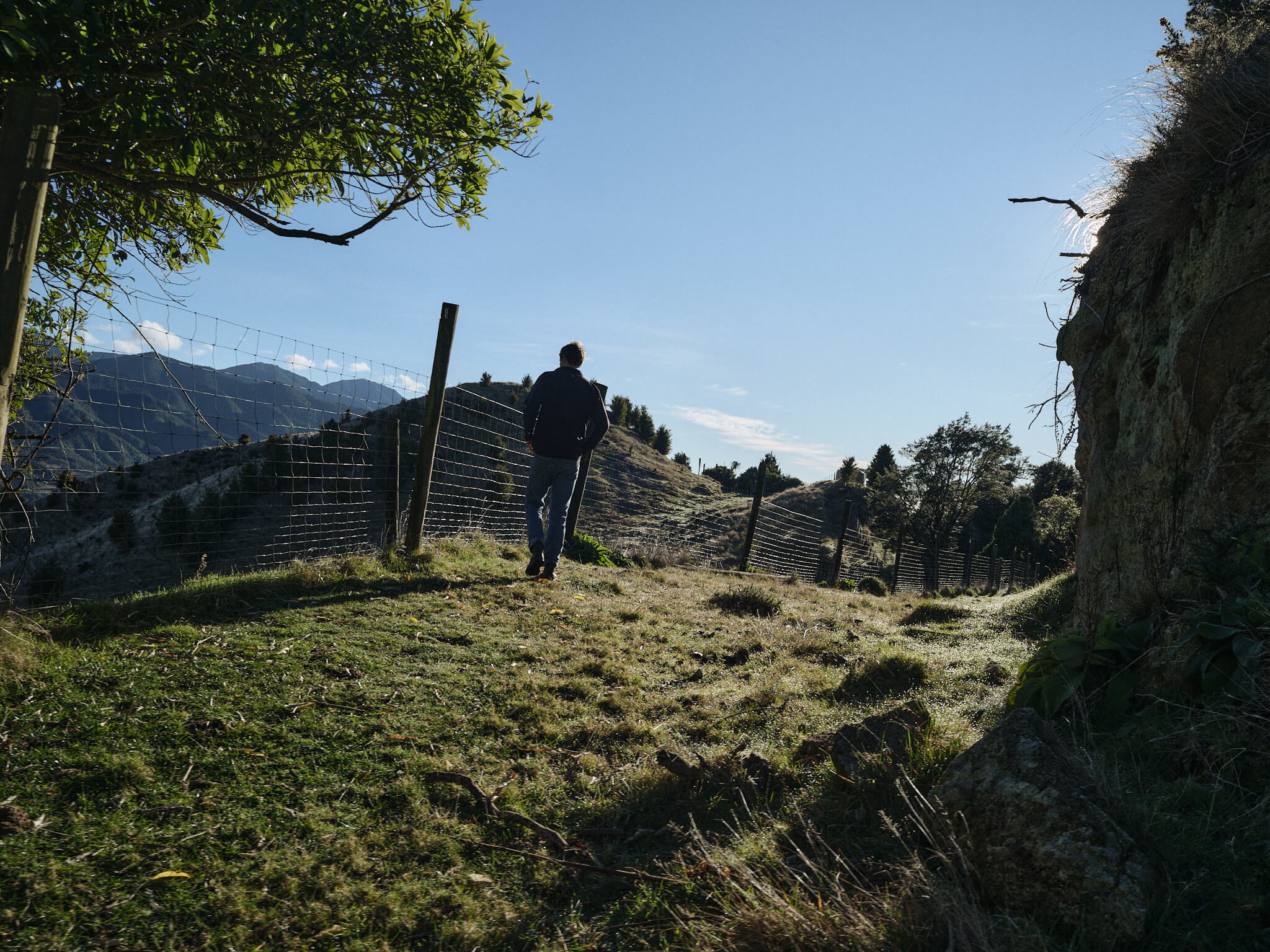
Chris and Gerry now run the company, and have brought on Forest and Carbon Analyst Ryan Doyle to help with the technology side, using drones, mapping software, machine learning and carbon analysis.
Their approach is based around understanding the land fi rst, rather than starting with a particular tree species or planting model. That might mean restoring native forest on a steep gully, planting trees to protect waterways, establishing shelter, or growing high-value timber species in areas suited to forestry.
We visited Chris on a local farm in the Motueka Valley, where Mosaic has been working with a naturally regenerating area of native forest. The work has focused on allowing the forest to recover by removing pressures that were holding it back - including stock access and pests. “On this site, we’re supporting the return of this forest through pest control, fencing, and enrichment planting to make sure there’s enough seed source available for the forest to return,” he told us.
For some farmers, carbon revenue can also help make this kind of long-term restoration financially viable. Chris says the Emissions Trading Scheme can provide funding for native forest projects already underway, helping to cover the ongoing costs of protecting and managing regenerating areas. “For a forest like this, we’ll often use the Emissions Trading Scheme to support the work the farmer is doing anyway,” he says. “Recent entry into the Emissions Trading Scheme is going to provide really valuable funding to keep this work going.”
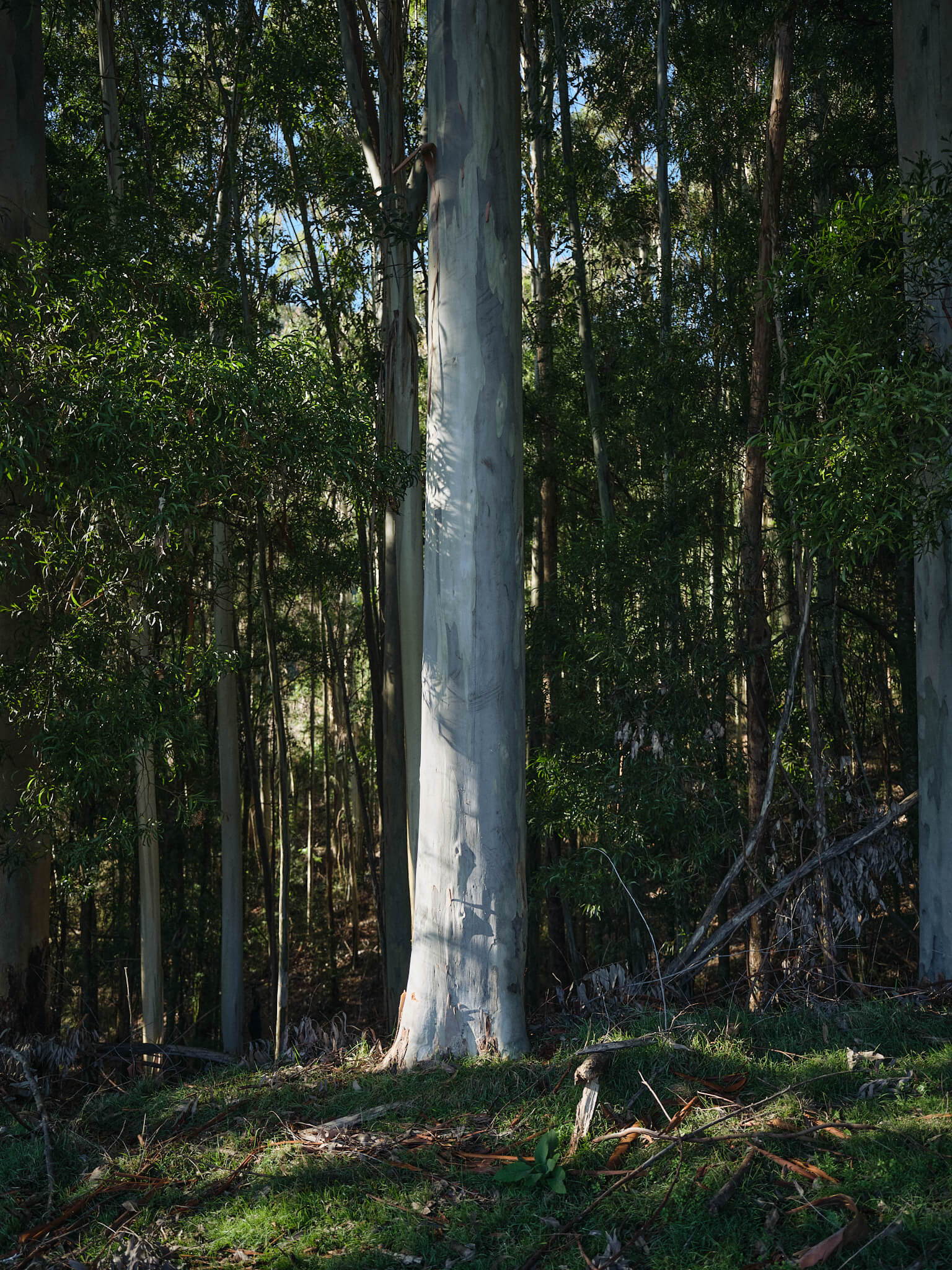
Fencing is often one of the simplest but most important steps in protecting regenerating forest. By keeping stock out, farmers can prevent damage to young seedlings, allow native plants to establish and reduce pressure on vulnerable areas of land.
In this case, the results have already been noticeable. “Since the stock have been removed from this section of forest, we’re seeing a huge recruitment of native seedlings,” Chris said. “We’re seeing tōtara returning where they wouldn’t before, and a really healthy understory in that forest.”
While native forests can appear resilient, regeneration does not always happen without intervention. Introduced pests can prevent seedlings from surviving long enough to become mature trees. “You can have a lot of seed source available, but if your native seedlings germinate and are immediately eaten, then that’s not a self-regenerating forest,” Chris said. “By controlling the pests, you’re giving the forest the best chance at reaching maturity.”
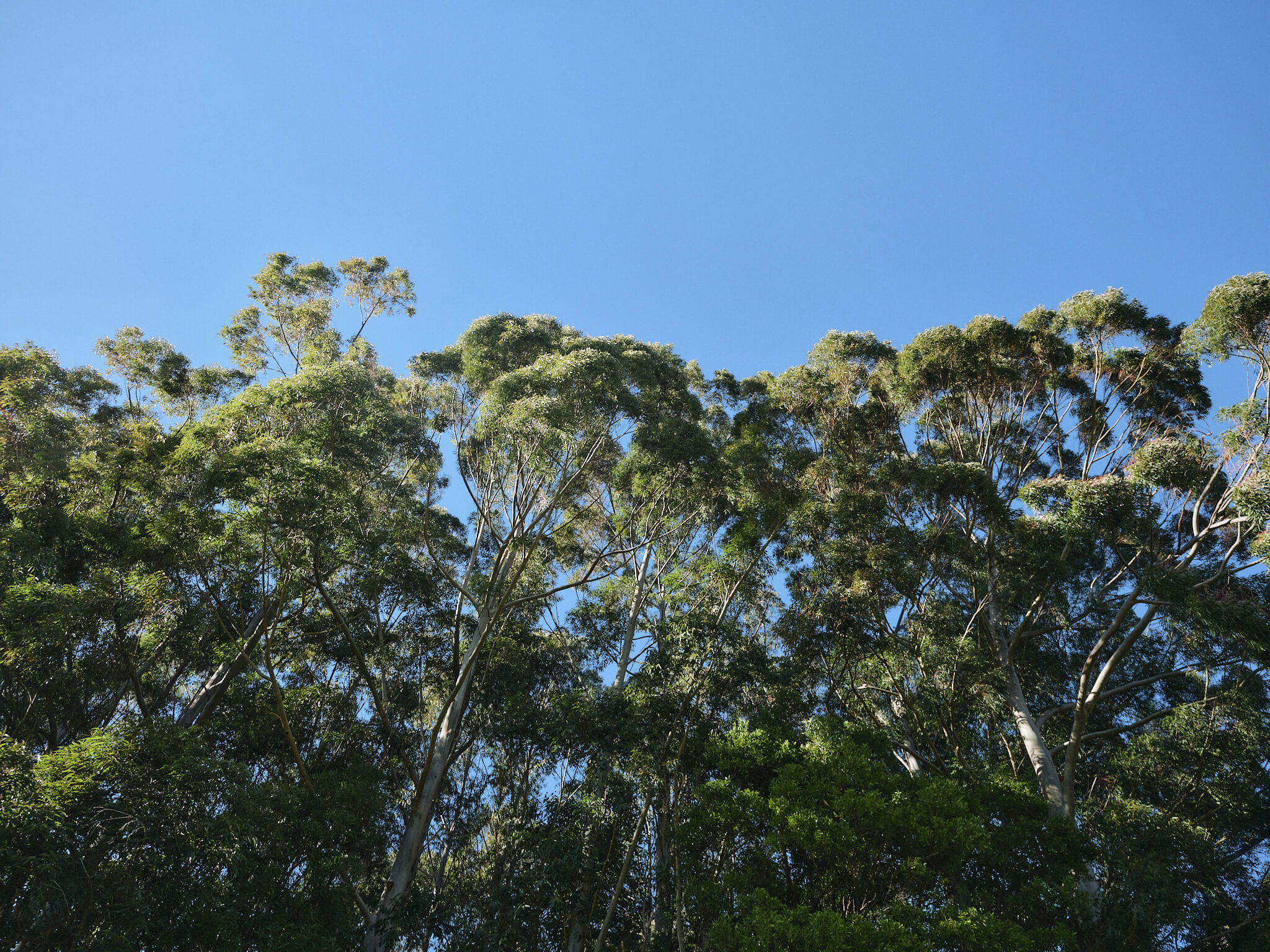
For farmers, the benefits of this type of work are often practical as well as environmental. Areas that are difficult to graze or prone to erosion can become more stable, waterways can be protected, and time can be redirected towards more productive parts of the farm.
At the Motueka Valley site, an erosion-prone slope was retired and allowed to transition back towards native forest. “By retiring this and letting it return to native forest, it stabilised that land,” Chris said. “It’s improved the quality of the water that’s fl owing out of it, but it’s also freed up time to focus on farming the more productive parts of the farm as well.”
Chris believes the key is recognising that there is no single forestry solution that works everywhere. Each farm has diff erent challenges, landscapes and goals.
“With this type of work, every site is completely diff erent,” he said. “With the site being different, the objectives are diff erent, so for us, it’s about turn-ing up and understanding what the farmer needs and what the land needs, and then fi nding the right fi t for that.”
While native regeneration is central to much of Mosaic’s work, Chris said there is also an important role for exotic species to play when they are planted in the right places. He told us that the team at Mosaic also advise on a range of exotic species, with a focus on specialty timbers and high-value species. “That can be anything from poplars and oaks, eucalypts, redwoods, right through to pine. They all have their place, and there are sites that are really well suited to growing those species in New Zealand.”
Technology is also helping improve the way forests are planned and managed. Drone mapping and GIS tools are allowing better understanding of landscapes and helping identify opportunities for restoration.
Looking ahead, Chris hopes to see more farms incorporating forests as part of a broader approach to sustainable land management. “Forestry in New Zealand is seen as being very much a large-scale plantation industry, but I’d really like to see more farms with smaller-scale forests that are growing sustainably.” The goal is not to replace farming, but to create landscapes where production and environmental outcomes support each other.
“The health of a farm and the profi tability of a farm are completely intertwined,” he said.
Ultimately, he believes forests should become a more common feature across New Zealand farms - not only for what they provide environmentally, but for the connection they create between people and the land they manage. “The perfect future for us would be that every farm has a forest on it, and it’s a forest that makes the farmer happy to look at every day.”
Looking ahead, she believes similar tools willw become available across the beef industry. “I’m hoping it’ll come into cattle as well, because I reckon every bit that we do helps.”
As sheep numbers continue to decline nationally and farming faces increasing scrutiny, the young Taranaki farming couple remain optimistic about the industry’s future.
“We’re lucky enough to be farming in a good period, and we’re pretty proud to be helping New Zealand out, really,” Rex added. “Supplying the world with our best - New Zealand beef and lamb.”
For two young farmers carrying forward a century-old family legacy, that commitment to producing food, protecting the land and building something better is what farming is all about.