


Goldpine
The Balance Between Tradition and Change: Taimate Angus, Ward, Marlborough
A century ago, the Hickman family were carving out a living in the hills around Ward; today, the same soil is reshaping Angus genetics on the other side of the world. Blending traditional stockmanship with data-rich, globe-trotting bloodlines, Paul and Nadine Hickman and their team have grown a diverse business of cattle, lambs, vines, and horses, all underpinned by a promise to look after the land, the animals, and each other, so the next generation can keep building on what began here 121 years ago.
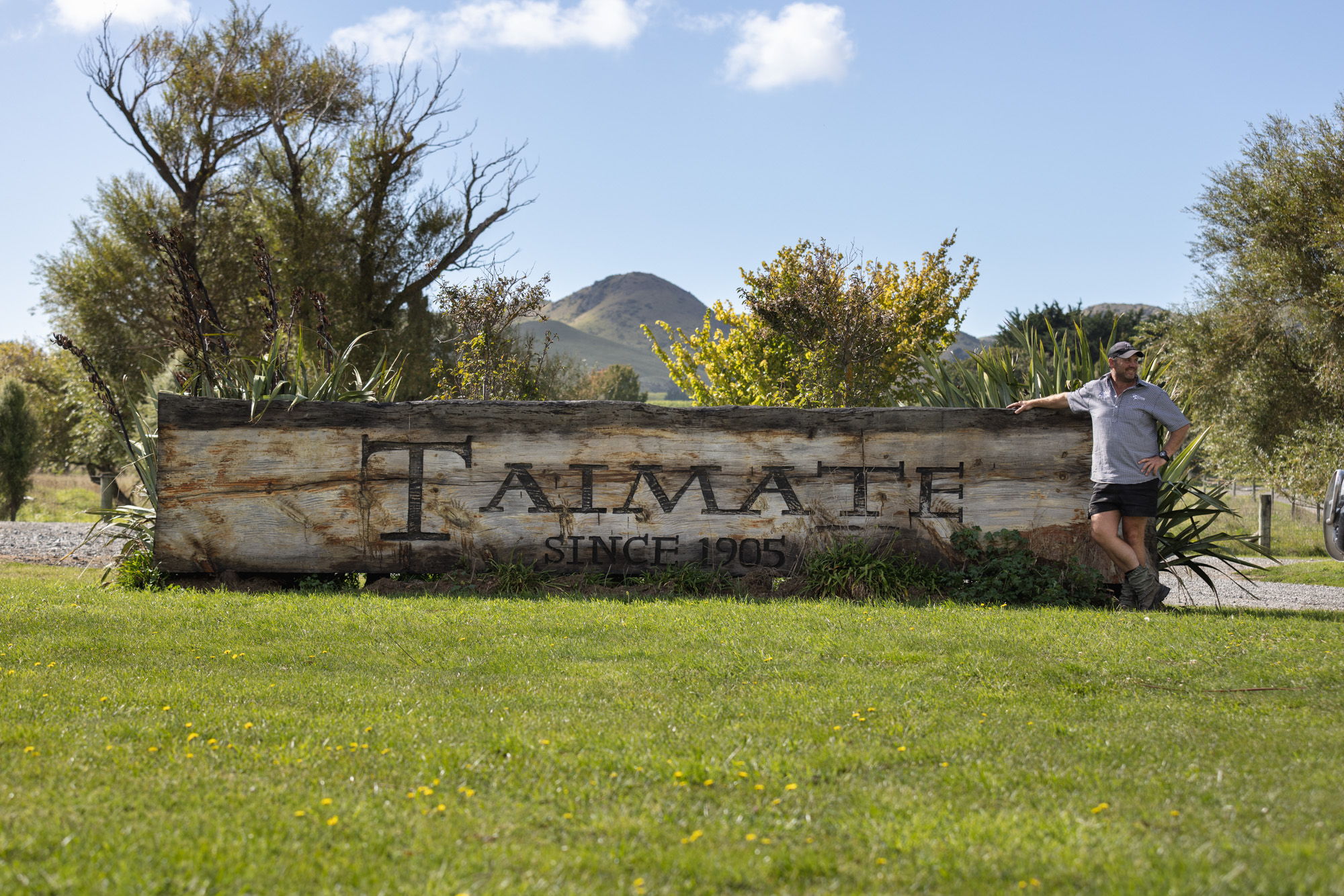
For Paul, who runs the operation alongside his wife Nadine, Taimate Angus represents both continuity and progression. The Hickman family has been caretakers of this land since 1905, steadily building and growing it into a longstanding farming legacy. At the centre of it all is the stud. Established in 1956 by Paul’s grandfather and great-uncle, Taimate Angus has been passed down through the family, from one generation to the next, before landing with Paul more than 20 years ago. “The primary focus of our business is the Angus stud,” he said. “Everything else works around that.”
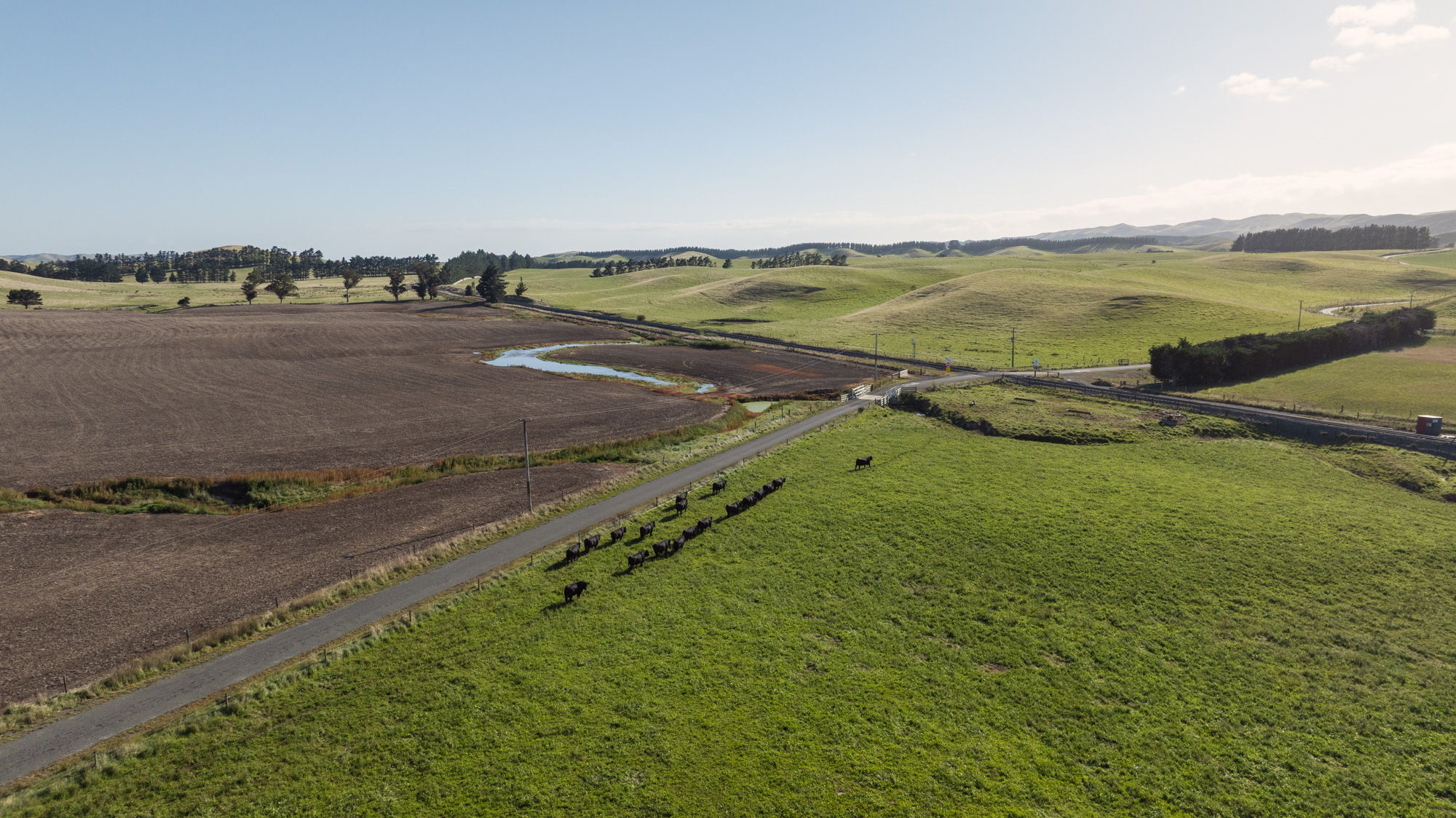
Today, that land spans three properties within a five-kilometre radius, totalling just under 1,500 hectares. It’s a footprint shaped by generations, but also by constant adaptation - farming here isn’t static. It shifts with the seasons, with the markets, and with the land itself. “We’re very feast or famine,” Paul said. “At our peak, we can have close to 2,000 cattle in the winter, and we trade anywhere from five to 8,000 lambs throughout the year. We’ve changed the way we farm over the years. We play the seasons more now, instead of trying to fight them.”
That includes lamb trading, dairy grazing through winter, general cattle trading, and even vineyards, a natural extension in Marlborough. Diversification has become part of the model, not as a departure from tradition, but as a way to strengthen it.
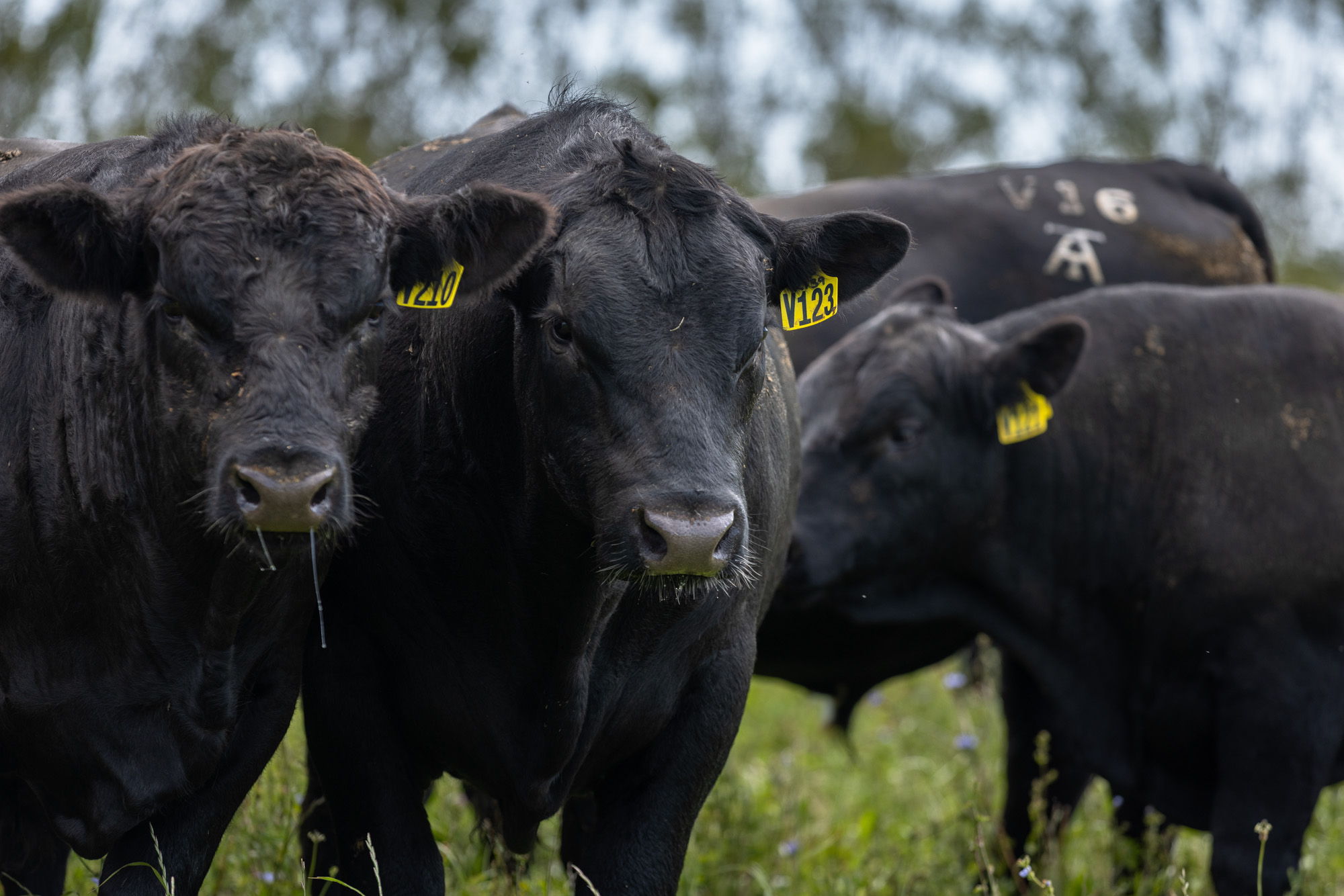
That strength is carried through all aspects of the operation, including the way Paul approaches genetics. He regularly travels the world in search of prime genetics, and that global perspective feeds into a very local outcome. The goal isn’t to chase trends or novelty for its own sake. It’s to breed animals that work, in real conditions, for real farmers. “We’re very client-focused,” Paul said. “What the clients need is what we’re trying to breed – an animal that’s going to pay the bills.”
That means longevity, performance, and temperament. An animal that lasts, that produces consistently, and that behaves the way it should in a working environment. “Docility is huge,” Paul said. “If an animal isn’t naturally quiet, we’re just not interested. It’s bottom line for us.”
That clarity of purpose shapes every decision. It’s not about producing something that looks good in isolation. It’s about producing something that fi ts seamlessly into a commercial system. “You’ve got to have performance in the animal, but also in how it breeds,” he said. “How the cow weans, how they handle the hills, all of that matters.”
This year, that focus has taken a step forward. Paul has introduced new genetics sourced from Australia, something he describes as both “new and fresh,” but also carefully aligned with what Taimate has always stood for. “It’s type on type,” he said. “We’ve been able to blend these new genetics with our own without losing our true breed character.”
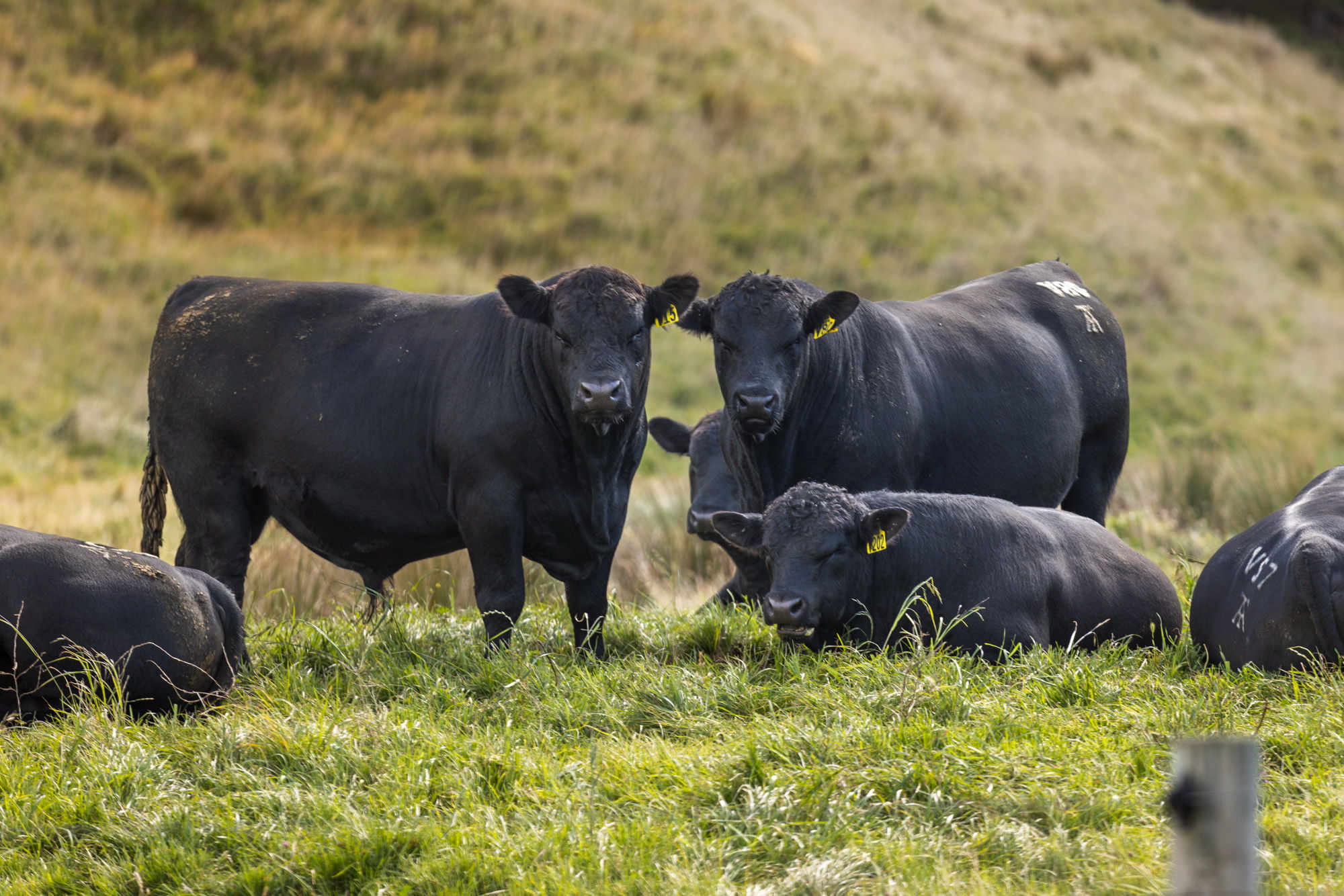
What makes them different is the combination of traits they bring. “They’ve got real-world performance, but also the paperwork performance,” Paul said. “That’s very hard to achieve, getting both.”
The result is a line of animals that not only perform in the paddock, but also carry the data to back it up, something increasingly important in modern farming. “It’s something we’ve been striving for in New Zealand,” he said. “And we feel like we’ve got it this year.”
Those genetics will be on display at the annual bull sale, set for mid-June. It’s a key moment in the farm calendar. Around 100 bulls will go through the ring, with most staying in the South Island, though a signifi cant number head north. Increasingly, Taimate’s reach extends well beyond New Zealand. “We’re selling a lot more genetics internationally now,” Paul said. “Australia, the States, Canada.”
The stud has recently broken new ground, becoming one of the first in Australasia to sell into high-end North American breeding programmes. “We’re starting to sell a lot of semen into those markets. We first started selling semen into North America only two years ago, and we’re virtually the first Australasian stud to sell genetics to some of the higher-end breeders there. So that’s really exciting,” Paul explained.
Their first progeny will be for sale in March 2027, Paul said. “We’re very much looking forward to seeing what happens with those genetics. The guys are already talking up just how good they’re looking at the moment. So we’re very excited.”
It’s a shift that reflects a broader change in the industry. New Zealand, once largely a follower in global beef genetics, is starting to attract attention from some of the world’s leading breeders. “To have those guys coming here looking for fresh genetics is pretty humbling,” Paul said.
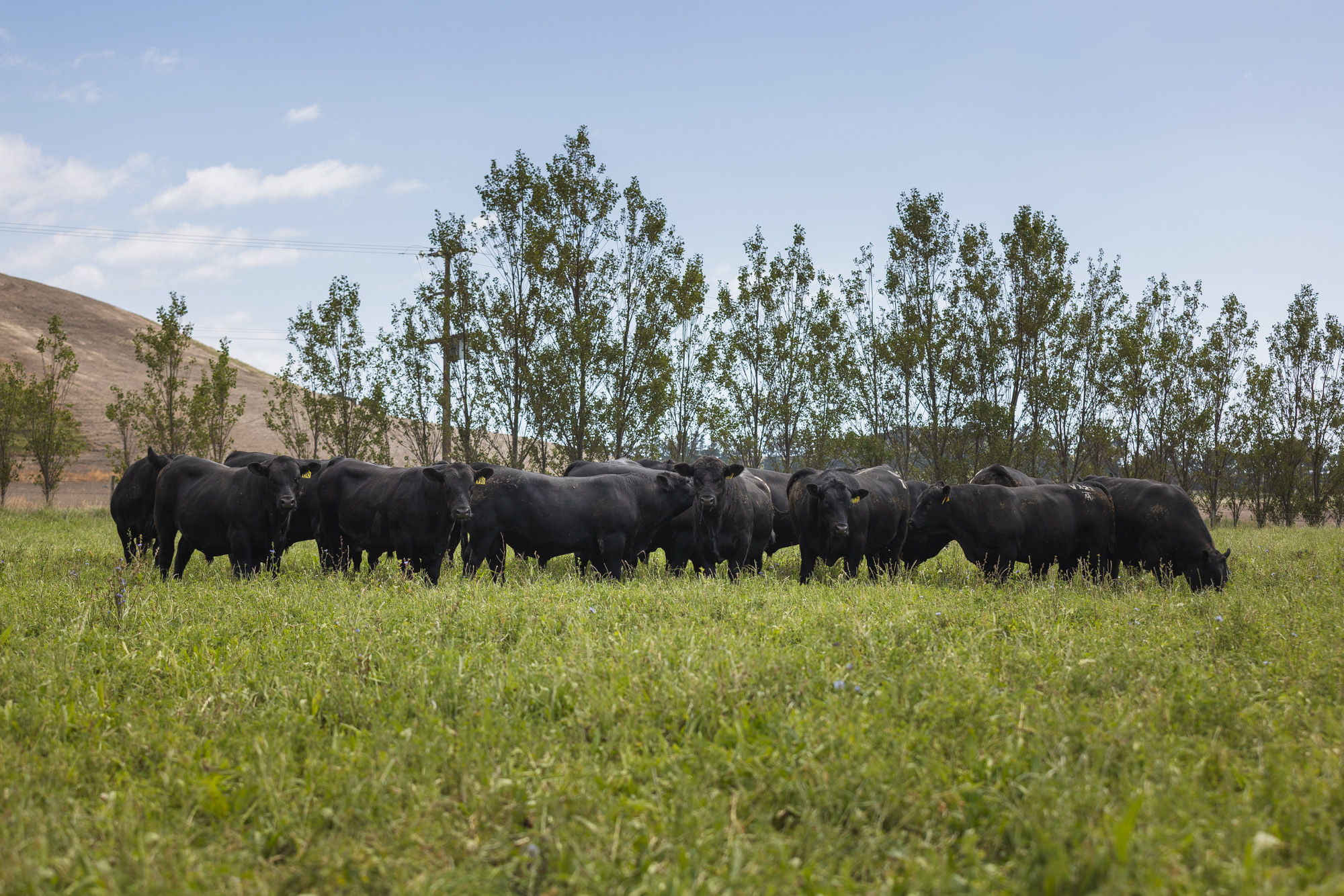
That sense of opportunity extends beyond the stud itself. For Paul, the outlook for beef farming in New Zealand is strong. “The next three to five years, in particular, lookexceptionally good,” he said. “It’s already strong,and it’s only going to get better.”
Globally, the dynamics are clear. Demand for protein is rising, while supply struggles to keep pace. New Zealand may be small in scale, but its product sits at the premium end of the market. “We’re pretty insignificant in terms of volume,” Paul said. “But we produce a very high-end product.”
It’s still, at its core, a commodity business, subject to the same forces of supply and demand as anywhere else. But within that, there’s a growing sense that beef farming here has reached a turning point.
“For the first time, the beef cow can be a standalone, profitable unit in New Zealand,” he said. “Historically, that hasn’t been the case.”
That shift is changing the way farmers think about their systems, particularly as the industry evolves. “There’s less work in beef compared to sheep,” Paul said. “And with an ageing farming population, a lot of people are moving that way.”
It’s a practical decision, but also a strategic one. A reflection of how farming continues to adapt, not just to markets, but to people. At Taimate, that adaptability is built into the business. Alongside the stud, the vineyards now cover just under 85 hectares of canopy, a significant operation in their own right. There’s also a small but growing interest in breeding horses, another avenue being explored.
“We’ve diversified a lot over the last 20 years,” Paul said. Not everything is driven purely by profit. Some parts are about interest, about exploring what the land can support, about keeping the business dynamic.
Underpinning it all is a consistent approach to sustainability. For him, sustainability isn’t a label or a trend. It’s a practical necessity.
“It’s about looking after the land, the soil, the animals, the water. Everything,” he said. “If you ruin your environment, you’re out of business. It’s not about being left or right or green,” Paul said. “It’s just about doing things properly. Being a good human being and a good businessman.”
That mindset extends to the people who make the operation run. The team at Taimate includes a small group of staff , along with Paul’s family, all contributing to the farm’s day-to-day work. “We very much run the farms together,” Paul said of Nadine. “It’s a real partnership.”
It’s a reminder that while the scale of the operation is signifi cant, it’s still, at its core, a family business. One that’s evolved over more than a century, shaped by each generation that’s worked the land. Out in the paddocks, that history isn’t something you see directly. It’s not marked by signs or structures. It’s in the way the farm operates, in the decisions being made, in the balance between tradition and change
For Paul, the focus remains clear. Breeding cattle that perform. Running a business that adapts. Looking after the land that makes it all possible. And, like the generations before him, setting it up for whatever comes next.