


Goldpine
Reshaping New Zealand Viticulture : Bragato Research Institute, Marlborough
On a still morning in Blenheim, rows of vines stretch across Marlborough like ruled lines on a page. At first glance, it is hard to imagine much changing here. Beneath the trellis wires and leaf canopy, New Zealand viticulture is in the middle of a rethink - at the centre of which sits Bragato Research Institute. We sat down with Bragato’s innovation lead Ross Wise and head viticulture researcher Dr Paul Epee who shared some exciting projects in the works at the Institute.
Bragato is the industry’s research engine room - part science lab, part field office, part sounding board for growers, the viticulture industry in New Zealand depends on the work done here.
“Rising costs, climate pressure, and shifting market expectations are among the reasons for the research at Bragato. Our job is to find out what the industry’s needs are in terms of research, and put together programmes that can help deliver the knowledge they need to stay competitive in the marketplace,” Ross said.
That competitiveness is no longer just about making great wine. It is about how efficiently, sustainably, and resiliently the wine is grown. Cost pressure is a key consideration for growers – and finding ways to mitigate this is a focus at Bragato, Ross said. “A lot of our research focuses on delivering efficiencies, while still delivering the great wine that New Zealand is known for.”
Labour sits at the heart of that challenge. Pruning alone could account for a large share of vineyard operating costs, and it remains one of the most labour-intensive tasks of the season. Bragato’s long-spur pruning project had already shown what targeted research could achieve. The technique, which shifts away from traditional cane pruning, “reduces pruning labour by up to 30%,” Ross said. “Pruning is a very big expense for grape growers. Anything that can reduce pruning costs is very beneficial.”
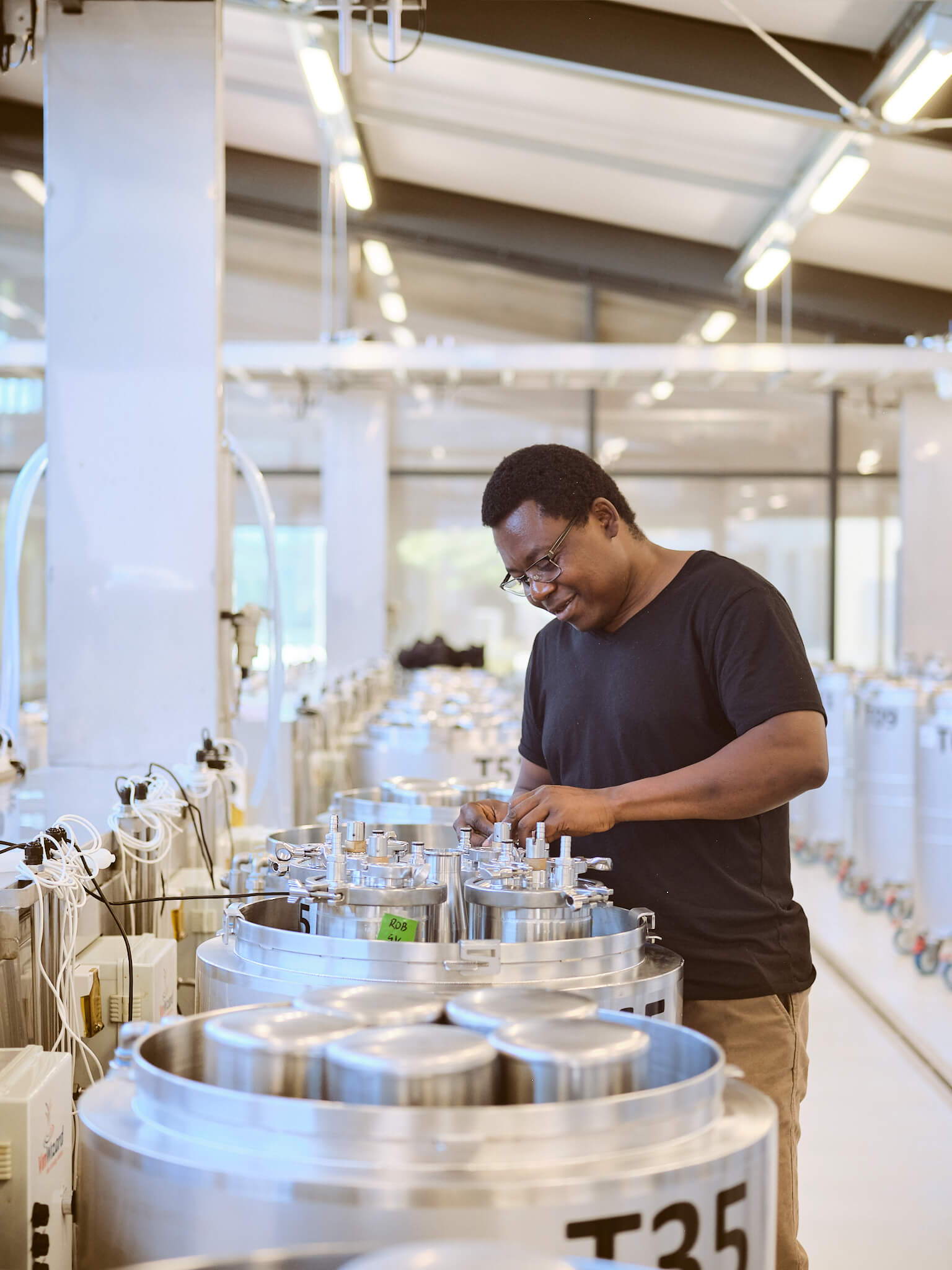
However, labour is only part of the picture. Climate change is forcing growers to rethink water, canopy management, and long-term vine resilience. Sustainability expectations - from markets, regulators, and consumers - were tightening; which is why Bragato’s work increasingly focuses on systems and being open to adaptation rather than quick fixes.
If there is one programme making the most of adaptations, it is Next Generation Viticulture (NGV). “It’s a seven-year partnership programme with MPI and seven local wineries,” Ross explained. “We’re looking to bring improved productivity and cost reductions to grape growing systems.”
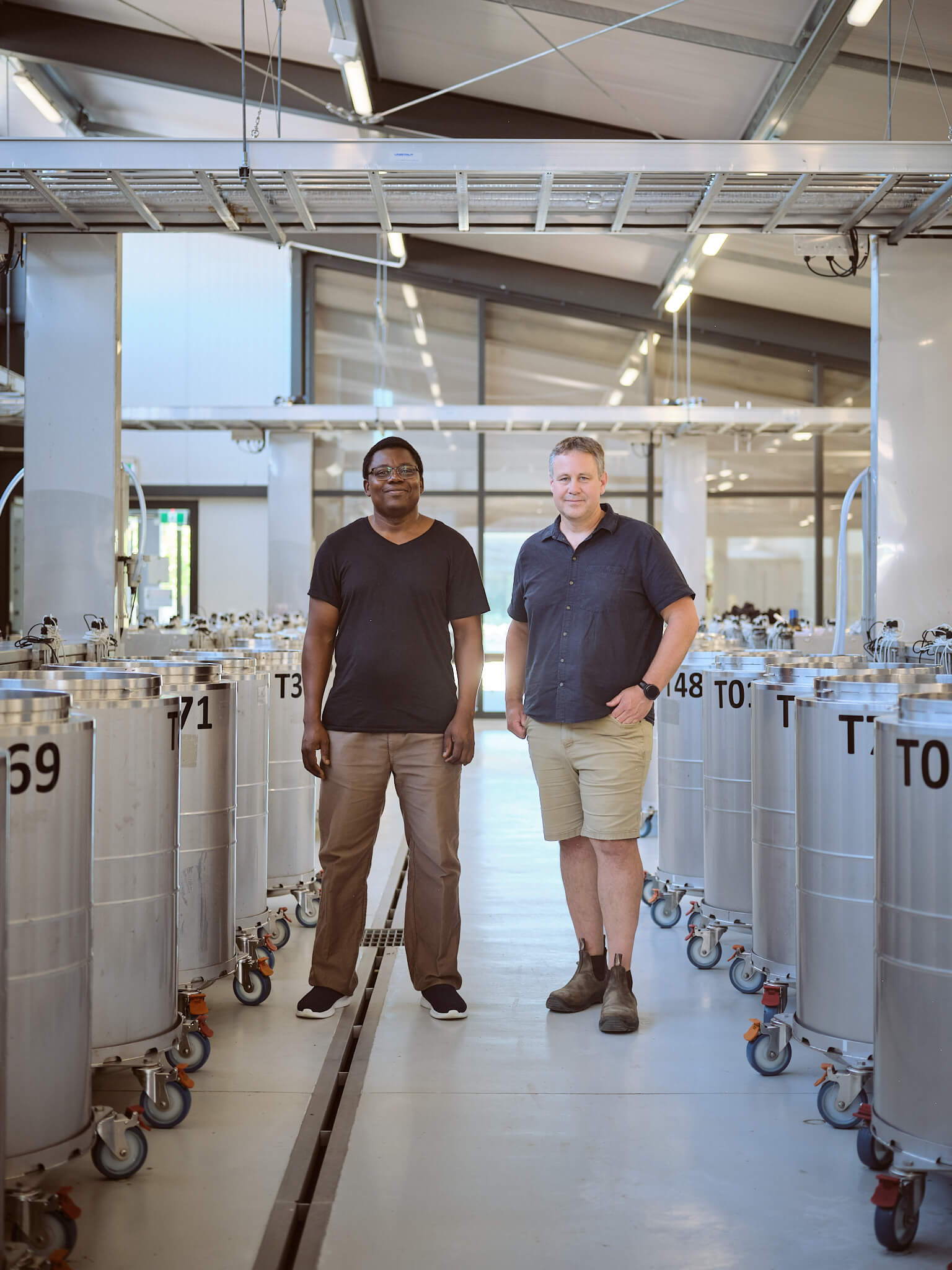
At its core, NGV asks a deceptively simple question: what if the way vines were trained and structured no longer matched the realities of modern viticulture?
Traditionally, Marlborough Sauvignon Blanc was cane pruned, with vines planted close together and managed through repeated trimming, leaf removal, and wire lifting. It was a system that had delivered world-class wine - but it was also labour-heavy and increasingly expensive.
NGV trials taller, more upright canopies designed to intercept more sunlight. “We’re hoping to bring more carbohydrate storage to the vine and the ability to ripen good yields and reduce yield variability for growers,” Paul said.
The trials are being run across seven Marlborough sites - two in the Awatere Valley and fi ve in the Wairau Valley - and include Sauvignon Blanc, Pinot Noir and Riesling.
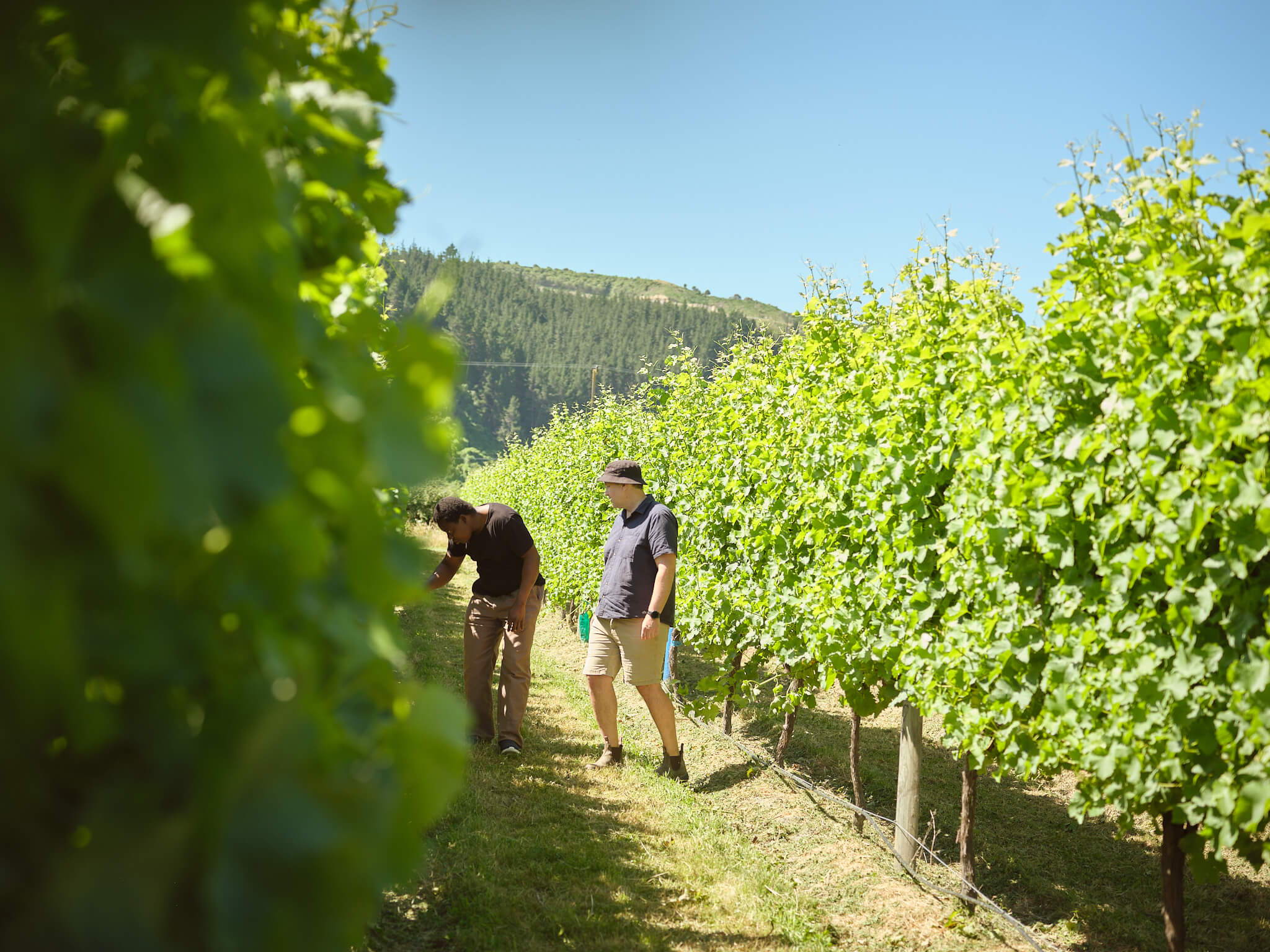
Paul is deep in the detail of the programme. His days are spent collecting and analysing data, chatting to growers, presenting to industry members and thinking outside of the box.
For Paul, NGV is exciting precisely because of its flow-on effects. “The goal is to change the training system of grapevines to harvest more light, to improve quality, to also maintain yield,” he said. “Changing that yield variability has positive effects on cost, sustainability, and natural resource use.”
NGV involved several linked changes. One was a shift from cane pruning to spur-based systems using permanent cordons - the established arms of the vine. “Spur pruning means you train two horizontal cordons and vertical cordons. It’s a permanent structure of your vine. It’s intentional. You train your vine; you establish those branches.”
Another change was vine spacing. Current vineyards sit at around 1.8 metres between vines. NGV trials push that to 1.5 times, or even double, the usual footprint. “When you increase your vine size, you reduce your canopy density,” Paul said. “Canopy density is one of the drivers of many vineyard tasks like trimming, topping, and leaf plucking.” Fewer dense leaves meant fewer tractor passes, fewer trimming runs, less diesel, less labour, and lower costs
Early results were promising. Grape quality has been maintained so far, Paul said. “The number of trimming passes are reduced, which is one outcome of this project. We want to reduce management costs.”
“We have one wine company that decided to test it in a larger area, rather than on individual rows, as we are doing at the moment. They did it over about one hectare, and one thing we are noticing is that the quality is maintained; the vine has occupied twice the space of a standard grapevine.”
If the quality is maintained, the vigour or the density of the canopy is also controlled, he said. “Another grower who is trialling this also noticed that he doesn’t have to do a lot of wire lifting. Now, because you have your vertical cordons (the “branches” of the vine) in place, you don’t have to lift those wires, because your shoots will grow inside the trellis, and they will hold.”
The work is slow by necessity. “Viticulture research is quite tricky,” Paul said. “When you base your recommendation on one season, it’s quite weak. Grapevine is a perennial crop.” Results would take years - but the payoff was long-term resilience.
Another exciting project is Sauvignon Blanc 2.0, led by Bragato’s grapevine improvement team at Lincoln University. The goal is to create genetic diversity within New Zealand’s flagship variety. “They’re creating 10,000 new clones of Sauvignon Blanc,” Ross said, “with the aim to have improved water efficiency, drought tolerance, and resistance to powdery mildew.”
Climate change isn’t treated as an abstract future risk at Bragato. It is framed as a present-day management issue. “Climate change is definitely front of mind for grape growers in New Zealand,” Ross said. “One way we are helping our growers adapt to climate change is by trying to find solutions that are practical and that our growers can implement to deal with those climate change effects,” Paul added.
Beyond vines and canopies, Bragato was also looking at what happened after harvest. One emerging focus was circularity - specifically, how winery and vineyard waste might be reused.
“We’re looking to upcycle winery and vineyard waste and use that as a product that then goes back as a fertiliser or an amendment in the vineyard,” Ross said. “We’re building a big programme around circularity for winery waste.” Details were still under wraps, but the direction is clear: reduce waste, close nutrient loops, and lower reliance on external inputs.
Research like NGV could make automation easier. Spur-based systems were simpler, more uniform, and potentially more machine-friendly.
Other technologies were already making an impact: auto-steered tractors, harvesters that detected posts to avoid damage, and vision systems that estimated yield by counting buds and bunches. “Early yield estimation is really key,” Paul said. “It dictates how much labour you will use that season.”
For both Ross and Paul, credibility came from proximity to growers. “We don’t find solutions in the office,” Paul said. “We have to be out there with them, chat with them, see what they are facing.” Most Bragato research happens on commercial vineyard blocks. Growers are involved from the start - often as co-investors.
That partnership mindset also shaped how results were shared. “We want them to do the journey with us,” Paul said. “To learn as we learn.” In a sector facing climate uncertainty, rising costs, and rapid technological change, that may be the most practical advice of all. Because in Marlborough’s quiet rows, the future of New Zealand wine is already being grown; one trial, one season, and one rethink at a time.