


Goldpine
Organic From the Ground up. : Organ Farm Holdings, North Canterbury
The rain held off just in time for our visit to Organic Farm Holdings in North Canterbury.
Dave Wooldridge, farm manager and experienced sheep, beef, and crop farmer, took us on a tour through the diverse and one hundred per cent organic operation - a 350-hectare mixed cropping farm, with 250 hectares under irrigation. It’s fully certified organic growing a mix of high-value seed crops and feed grains, supplying customers as close as a neighbouring Canterbury flour mill and as far away as Germany and Japan
“We’re 100 per cent certifi ed organic and growing high-value crops for customers all over the world,” Dave said. Like many mixed croppers, Dave juggles multiple crop types, each with its own rhythm and demands. However, organics change the playbook - every paddock, every weed, every seed bed requires more thought and design.
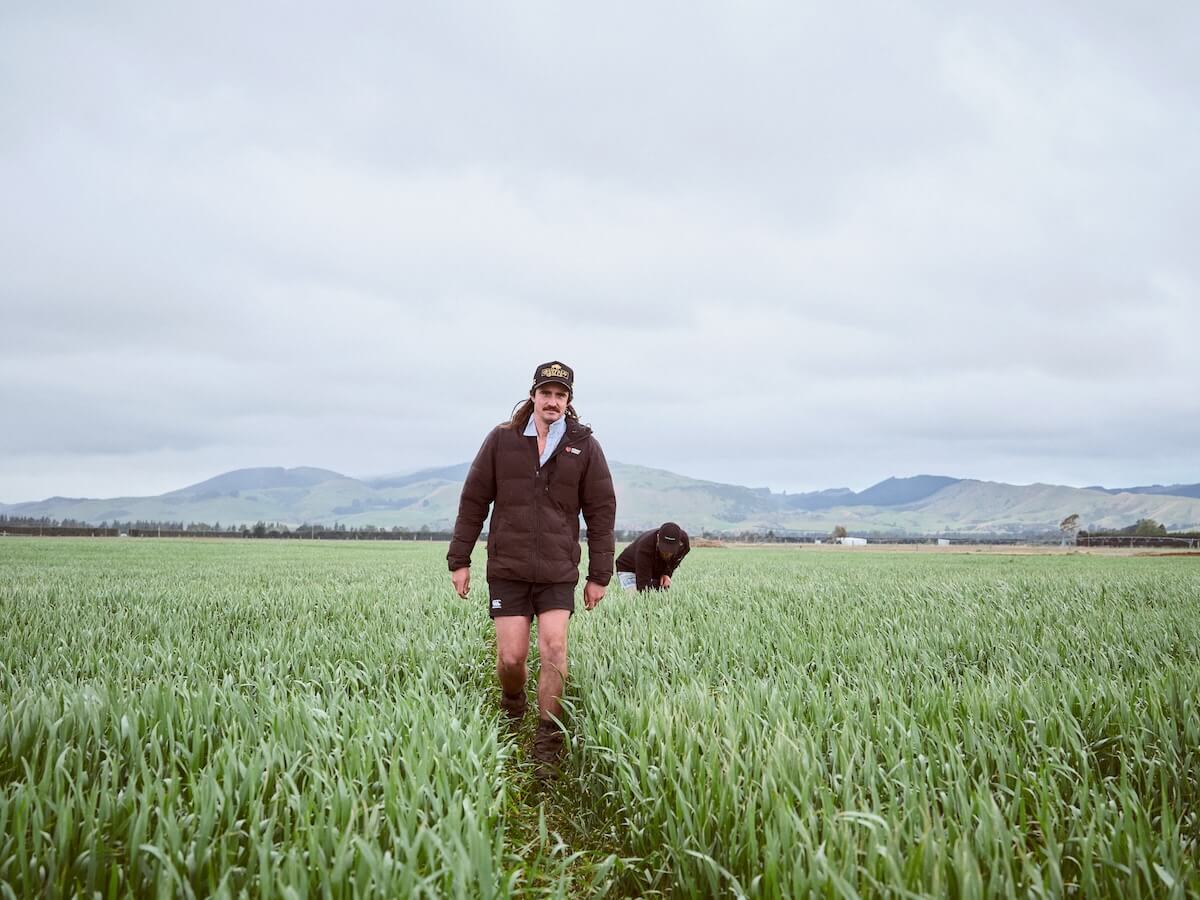
The farm’s mainstay is fennel seed, a perennial crop that’s planted once and harvested annually for fi ve to six years before it runs out of steam.
“We’ve just planted a paddock now - we’ll harvest that in June next year, mulch it, run stock through to graze weeds, and then it starts growing again in spring,” Dave explained.

Shorter-term crops like linseed and lucerne for seed slot into the rotation too. Linseed goes in during spring, gets a manure spread, and is harvested by March. Then there’s wheat - both feed and milling - planted before the end of May, racing the winter rains.
Feed wheat goes into local dairy and poultry farms - “something that’ll be feeding 50,000 chickens,” - while the milling wheat heads to an organic flour mill in Sefton. The fennel ends up with a German buyer, and linseed and sprouting peas travel to Japan.
They’ve trialled other crops, but not everything suits an organic system.
“We’ve tried a few others and they just don’t quite work. I always tell people, as an organic farmer, you’ve got to look around and see what’s growing like a weed in the district - that’s probably what you can grow and harvest as an organic crop too.”
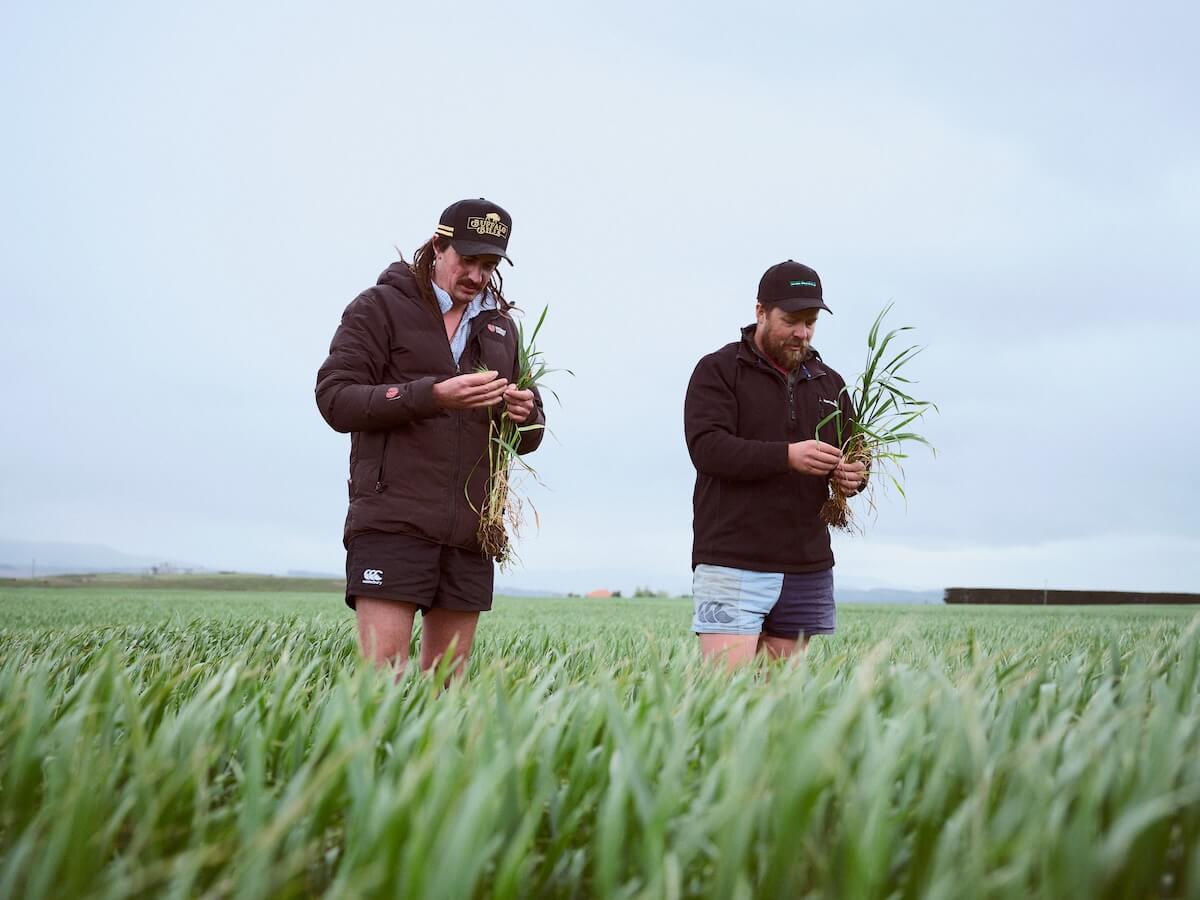
Dave’s dedication to seedbed preparation is necessary for the success of the plant. “The crop’s got its highest potential the day it’s planted,” he said. “So we make sure the seedbed is right, the gear is working, and everything’s set to minimise weeds and maximise yield.”
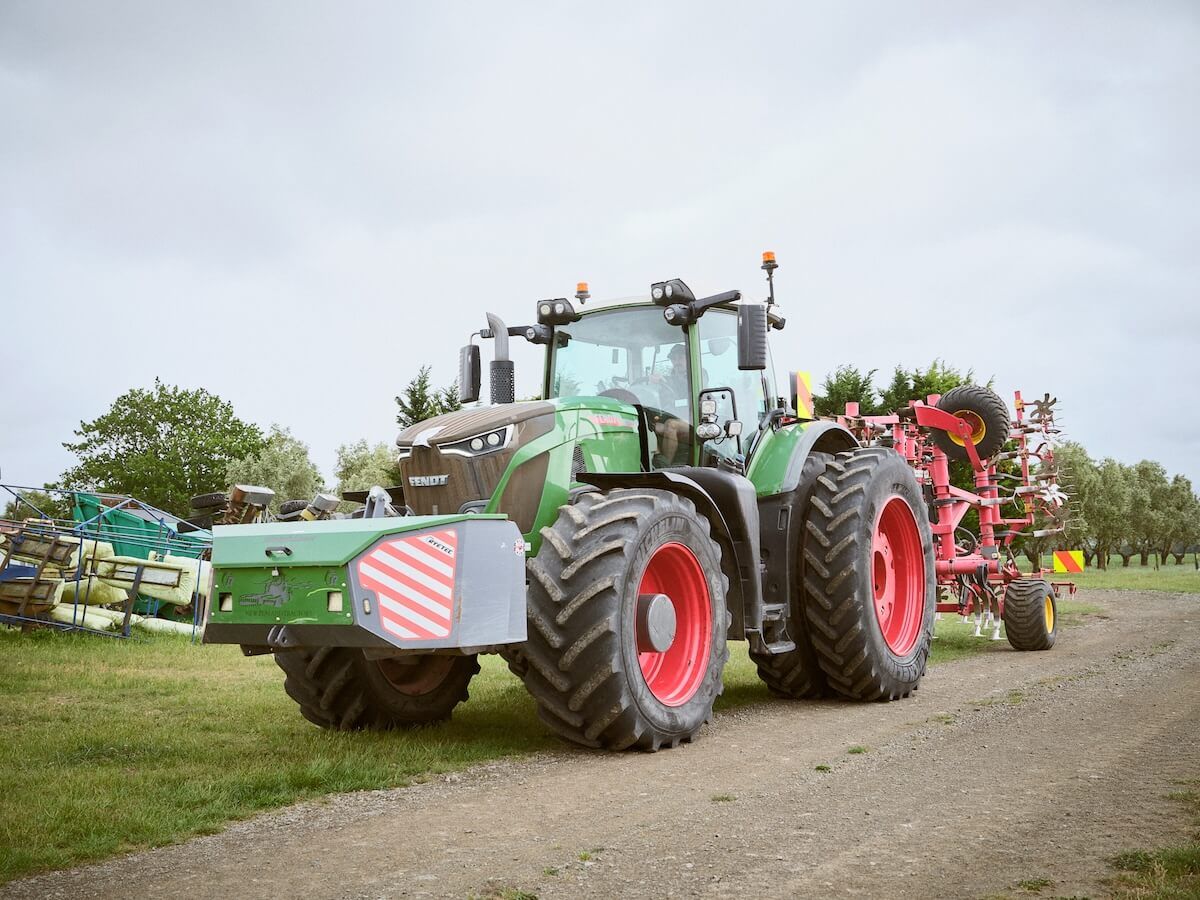
That’s easier said than done when you can’t use herbicides. “Being organic, we can’t use Roundup or anything like that. So we’re full cultivation - burning diesel - but we’ve invested in the right equipment to kill off crops properly and reduce passes.”

The farm uses a mix of ploughs, duck-foot cultivators, and mechanical weeders to manage residue and turn in organic matter. “Our lucerne gets taken out by the plough and the following crop is planted immediately, while the tougher crops like fennel need a bit more grunt.,” he said.
The attention to detail carries right through to harvest. Organic Farm Holdings has a high-spec combine harvester to ensure a cleaner sample - important when most crops are destined for export.
“Everything that goes overseas gets graded and cleaned again, but we do what we can here to make sure it’s top quality before it leaves.”
Organic Farm Holdings avoids cash cropping on dryland areas to manage the risk, and Dave said market demand has stayed fairly steady. However, the market for organic crops can pose a challenge for expansion. “We always find contracts for our crops every year, but we never get the option to expand them. It’s all capped markets.”
Pest, too, are a seasonal battle. “One of our biggest pressures is birds eating grain in autumn, especially when the vineyards around us put their nets up. All the birds move onto us,” Dave said. “We’ve got lasers and gas cannons to try and persuade them to go somewhere else.”
Sustainability is a necessity for Dave and the farming operation. Every tonne of soil saved from erosion or enriched with manure helps future harvests.
The results are showing. “We’ve seen a marked improvement in soil quality on paddocks we’ve been resting in our lucerne rotation. The microbial activity now is miles ahead of when I started here five years ago.”
That link between soil health and livestock is at the heart of how the farm runs. The sheep and beef operation isn’t separate - it’s part of the cropping cycle itself.
“We run organic cattle through the winter on cereal crops, then graze them on lucerne through spring. We start killing for organic meat in September and most are gone before Christmas,” he explained.
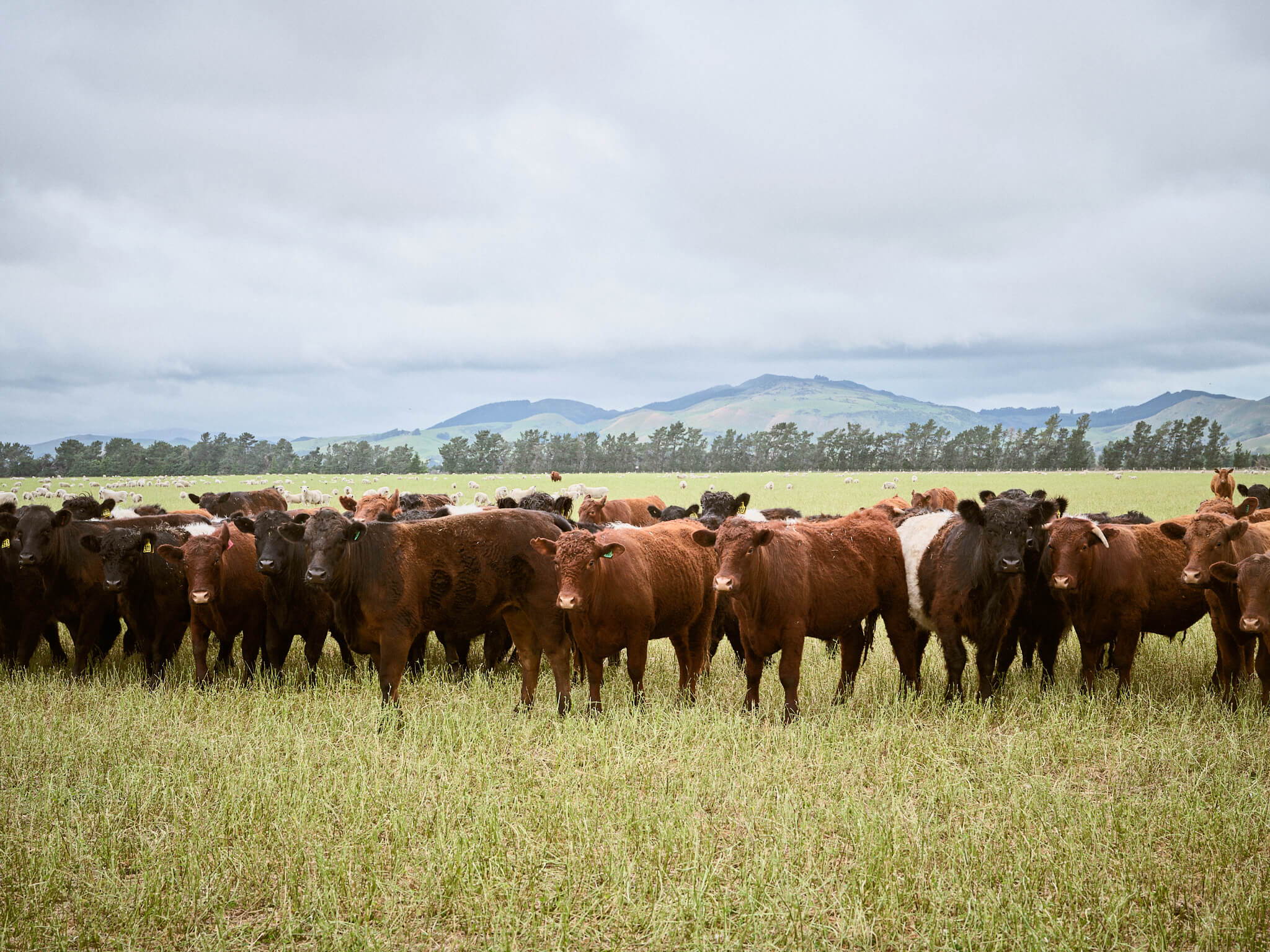
The Wiltshire sheep stud adds another layer, with 400 ewes and 120 hoggets bred for on-farm ram sales. “After harvest, we use stock to graze weeds; they’ll do a better job than any machine. The sheep and cattle are a big part of how we manage weeds and return nutrients to the soil.”
Despite the name, Organic Farm Holdings isn’t just doing this for show. For Dave, the organic model aligns with a belief in better food and better soil, even if it’s not the easiest business decision. “Organics for me is important because of the food quality in the world. It’s about making sure we can contribute to healthier food options for people who are looking for that,” he said. “It’s one of the founding principles of the company - it’s in the name. Organics is hard to justify as a sound business decision, but it’s worthwhile for us.”
When asked about the future of cropping in New Zealand, Dave doesn’t mince his words. “The future for crop farming is looking a bit stressed,” he said. Despite this realism, Dave remains optimistic about a better future and believes that some viable options may come to fruition.
At Organic Farm Holdings, there’s no illusion that organic farming is easy. Between fi ckle weather, stubborn weeds, hungry birds, and global price pressure, Dave has his work cut out. Nevertheless, there’s also quiet pride in what’s been built and what’s beneath his boots. “The soil’s healthier, the crops are stronger, and the demand’s there,” he said. “We’re just trying to grow the best crops we can - and leave the land better than we found it."