


Goldpine
Looking Beyond the Horizon : Criffel Station, Wānaka
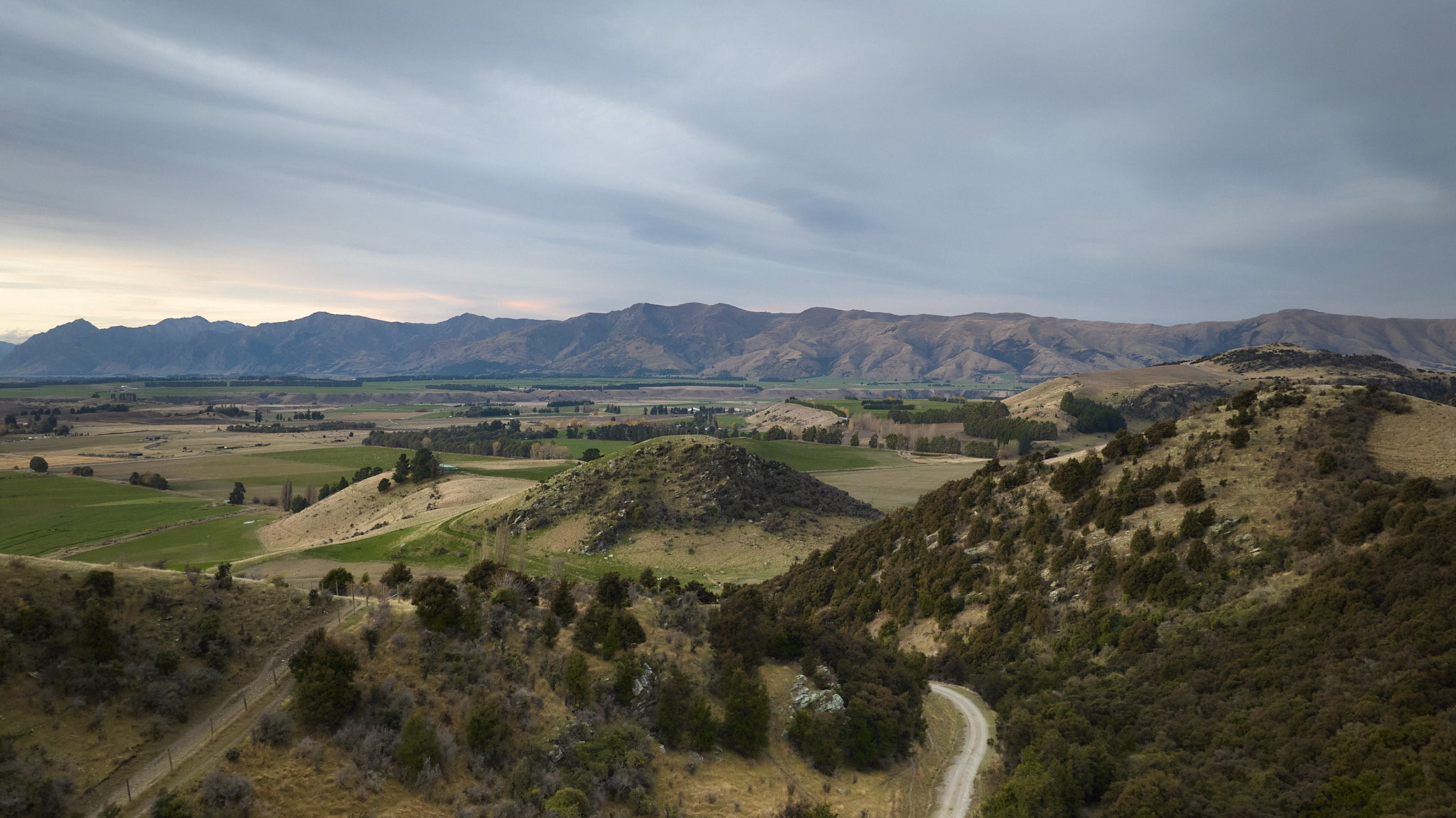
Perched above the shores of Lake Wānaka, where rolling hill country meets one of New Zealand’s most iconic landscapes, Criffel Station is a farm built on both legacy and ambition. What began as a traditional sheep property has evolved into a progressive deer-farming operation, balancing production, sustainability, innovation, and a clear-eyed view of where the industry could be heading next.
Farm manager Henry Bell, his parents, Jerry and Mandy Bell and the rest of the Bell family have been custodians of this land since 1960. Hector and Joan Bell built the farm, establishing a forward-thinking approach that continues today. For Mandy, veterinarian and former chair of Deer Industry New Zealand, the story of Criffel Station mirrors the evolution of the wider deer sector.
After growing up on sheep farms in Otago and Canterbury and training as a veterinarian, Mandy became heavily involved in deer farming and deer industry leadership. She and her husband, Jerry, transformed Criffel from a traditional sheep farm into a deer operation in the mid-1990s, fencing the entire property and laying the foundations for what it has become today. Over the following decades, Mandy’s work extended far beyond the farm gate, contributing to genetics programmes, disease management initiatives and industry governance. Today, she leads the commercial and sustainable management of the land, working closely with experts and the on-farm team to build a balanced ecosystem that benefits people, the land, the animals, and the future.
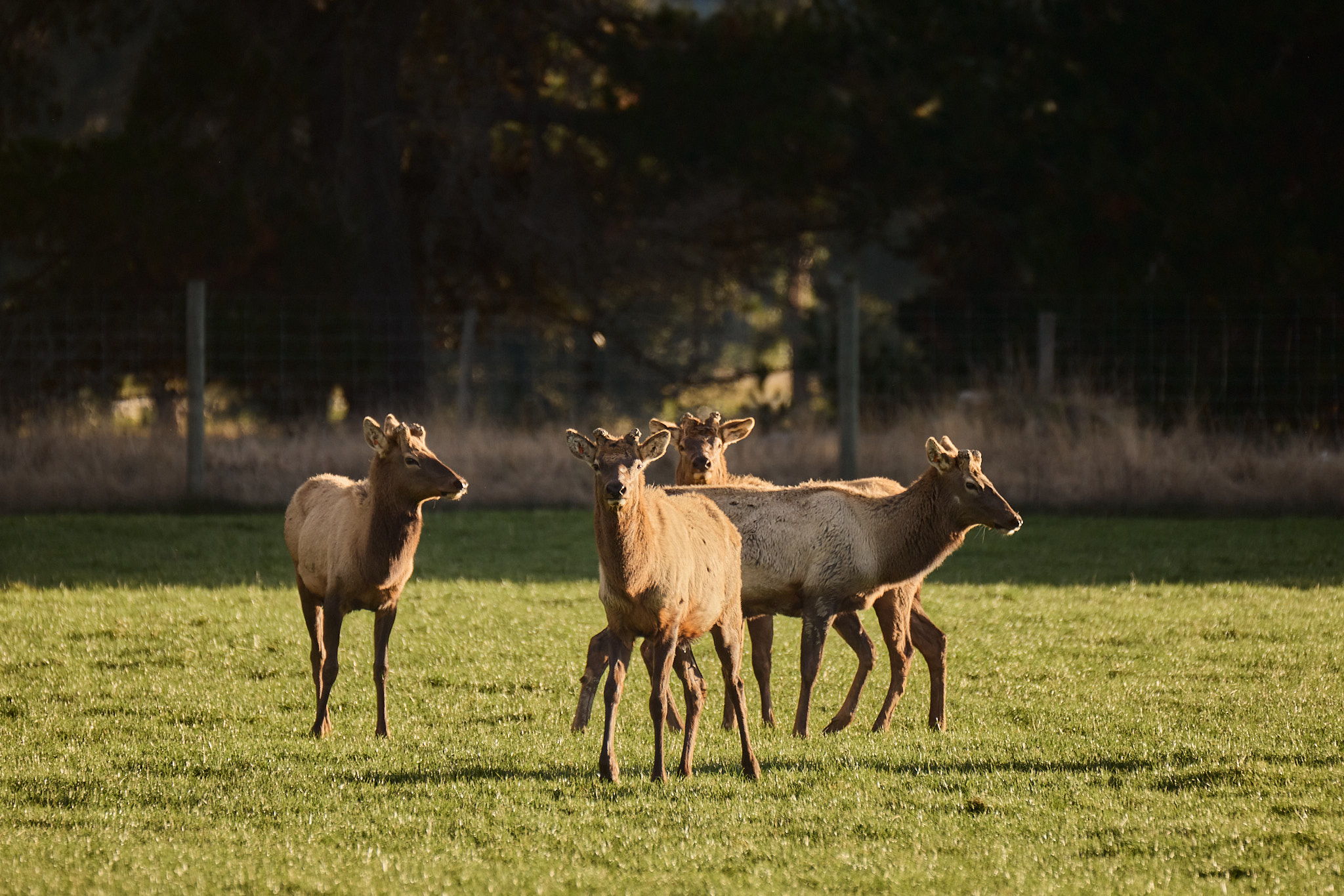
Today, Criffel Station spans just under 2,000 hectares, with around 400 hectares of fl at land and the remainder rolling into the surrounding hill country. Alongside a smaller beef operation, the farm carries approximately 4,100 deer, running a mix of red and elk genetics that have become increasingly central to the business.
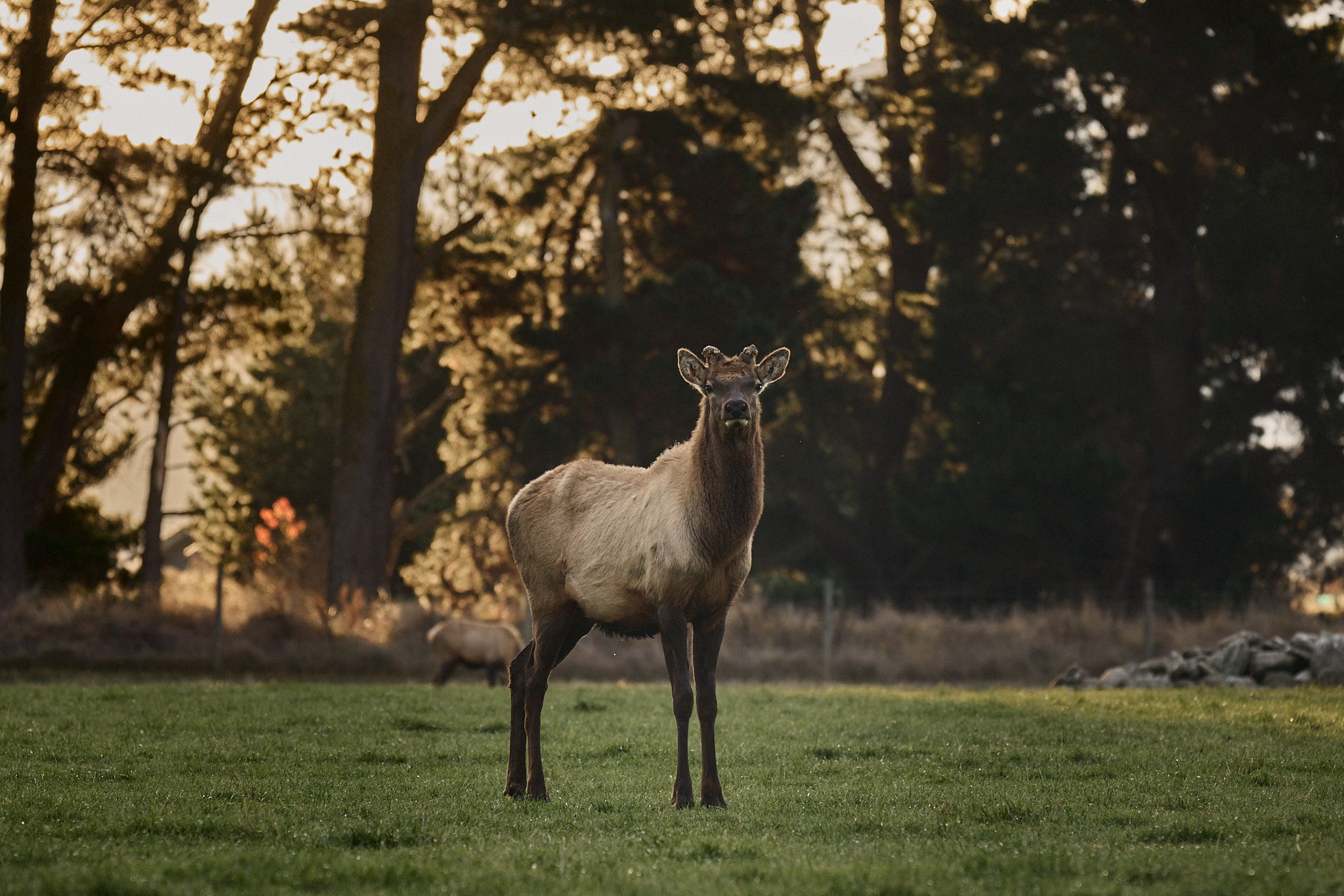
For Henry Bell, who returned to the family farm just two years ago, Criffel Station is both home, and an exciting opportunity. Growing up on the station with his siblings, Henry’s passion for farming started young and grew through overseas experiences, such as farming elk in Canada, before he came back to Criffel and took on managing the deer operation. “We’ve just gone onto an elk programme running the majority of elk breeding bulls over red hinds,” Henry explained. “They seem to work really well in our country.”
It’s a system carefully matched to the landscape. Breeding hinds graze the hills, while finishing animals utilise the more productive flats below. The result is an operation designed around the strengths of both the animals and the land.
The farm’s venison programme has recently entered a new phase through a partnership with First Light Foods, supplying premium venison into the United States alongside a group of like-minded New Zealand farmers. “The First Light partnership is a very close relationship. It’s a small company that we’re building into the US, and it’s exceeding expectations,” Henry said.
That move towards closer market connections reflects a broader shift occurring within New Zealand’s deer industry. Rather than simply producing a commodity product, farmers are increasingly seeking direct relationships with customers and consumers off shore.
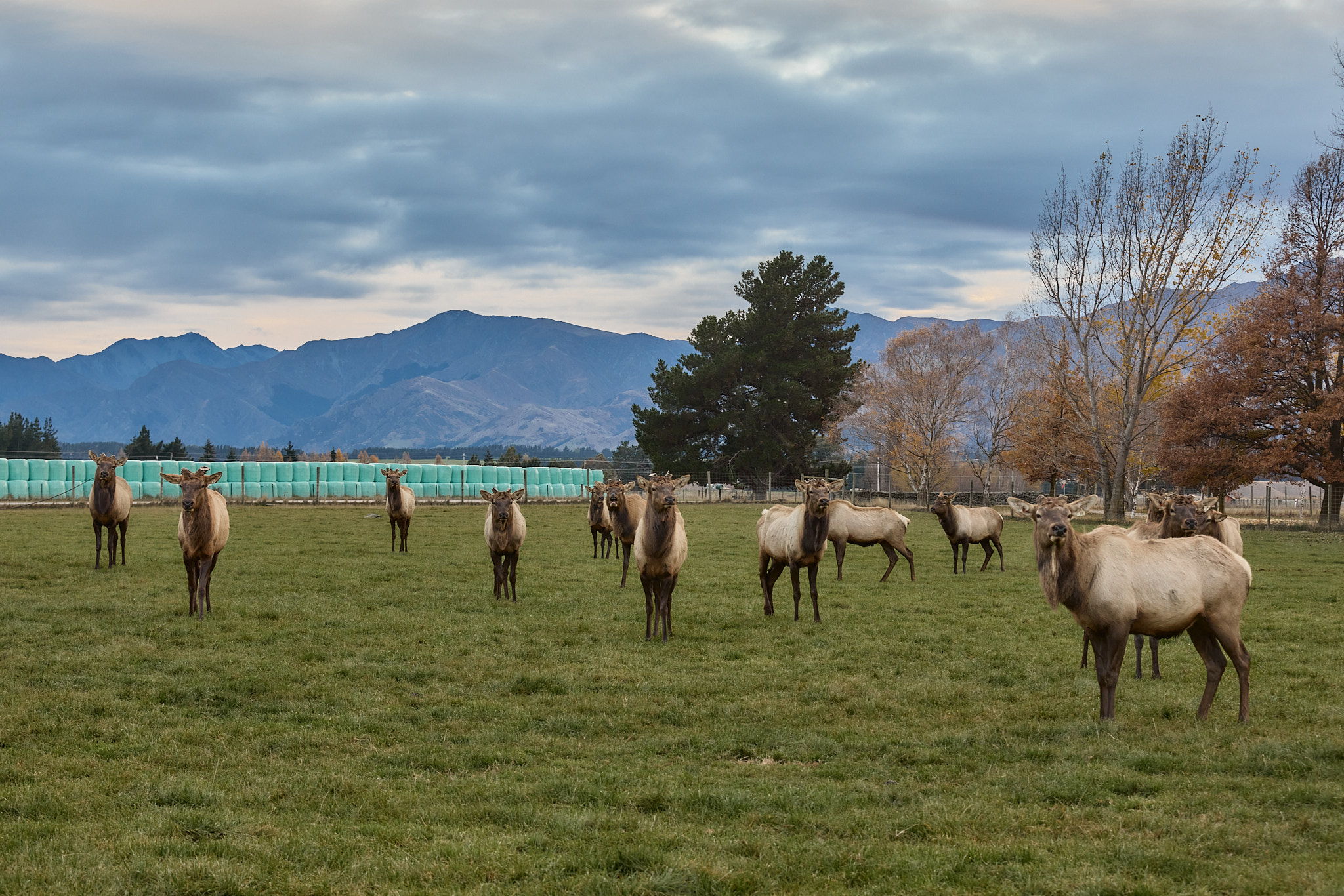
At Criffel, venison forms the backbone of the business, complemented by a velvet operation involving around 300 stags each season. Velvet continues to be exported primarily into Asian markets, while venison demand is expanding across a range of international destinations.
As the farm grows, animal welfare remains a constant focus. “The welfare of our elk is very important to us,” Henry said. “We know that the more care we put into the animal, the more sustainable the operation is.”
That attention extends beyond the animals to the wider environment. Like many farms throughout the Upper Clutha, Criffel Station is actively involved in local catchment groups focused on improving water quality and environmental outcomes. Mandy was a co-founder of WAI Wānaka, that provides urban and rural catchment thought leadership and environment actions for the region. “We’ve made a big eff ort to fence off all waterways, as well as planting within 10 metres of the waterways,” Henry said. The work that complements the farm’s broader sustainability push includes installing solar panels to cut operating costs and improve energy efficiency.
That same forward-focused mindset is shaping how the station – and the wider deer sector – thinks about value. While the national deer herd is smaller than it once was, Dr Mandy sees signifi cant opportunities emerging. “We need more smarts to be added in future for deer farming in New Zealand. It’s pretty exciting. We really have got a tremendous product,” she said. “Our venison is lean, it’s got a high iron content, [and is] super easy to cook, so it’s really suited to how we’re eating today. In particular, off shore, we are looking for convenient foods, and it’s a natural food.”
She notes that co-products such as pizzles, sinews, spleens, and liver are continuing to see strong demand, particularly in Asian markets, alongside velvet, with “signifi cant immune support upsides, and prophylactic, therapeutic for cancers.”
“The future, where we need to go, is into moving into bio-nutraceuticals and peptides,” she said. “Taking the meat, the co-products, the velvet, and pulling out those nutrients that we know we need to be healthy. We really are ticking those boxes quite nicely, but let’s not get behind on it. The industry needs to get out in front and be ready to deliver those different types of products.”
Dr Mandy’s extensive experience in the industry has led to some key takeaways. “My greatest learnings over that time frame have actually been to keep learning,” she said. “Keep being curious, keep learning, and work with good people.” It’s a philosophy she believes will be critical for the industry’s future.
It’s a vision that extends well beyond seasonal schedules and annual production targets. Through an initiative known as Criff el Futures, Mandy and the wider team at Criff el Station have been exploring what agriculture could look like decades from now, building partnerships with organisations in Singapore and seeking solutions to challenges facing future food systems.
“Criffel Futures sits at the intersection of agriculture, health, and food, asking what products the world will want in decades’ time and then working backwards to what needs to change on farm now,” she said.
A key plank is the partnership with entities in Singapore. Criffel Futures treats Singapore as a hub of science and market intelligence, deliberately linking off shore research and innovation with Criff el’s “stunning products” on the ground. The aim is to leverage overseas resources and knowledge to stay in front of shifting global demand, rather than chasing it.
The Futures Challenge Network (NZ) turns that idea into a process. The team identifies specific challenges, then works with Singapore partners to find off shore solutions and bring them home. A second venture build, called Nature-based Intelligence, looks at how to measure and communicate land health so it becomes part of the value story, not just an internal farm metric.
For Dr Mandy, one of the industry’s greatest challenges isn’t a lack of ideas, but translating discussion into action. “We’ve got really good conversations happening,” she said. “What we’re not doing is actually translating those conversations into some action in New Zealand.”
With Henry and the team running the farm, she’s focused on where Criff el – and the wider primary industry – needs to be 10, 15, even 50 years ahead.
Prices are currently strong and the short- to medium-term outlook is positive, but that’s exactly when the sector should be doing the hard work, Dr Mandy said. “Good years are the time to invest in new products, new partnerships, and new ways of telling the story of what’s produced on farm.”
Back on the farm, those future-focused conversations sit alongside the practical realities of daily farming. Mustering deer through steep hill country, managing breeding programmes, monitoring waterways and responding to ever-changing markets remain central to the operation.
For Henry, however, that’s part of the appeal. “I enjoy working inside a farm with a bit of history, and with the deer. They’re a different type of animal, they are extremely smart. And it’s all different, we’ll go from up the hill to mustering to working the yards, but also growing the amount of land we’re using and pushing it to the limit here. I also like working with my parents on the farm.”
Even with its scale, innovation, and international outlook, at its core, Criff el Station remains a family business; one built over generations, shaped by shared eff ort and driven by a belief that farming’s greatest opportunities often come from looking beyond the next season. In the hills above Wānaka, that future is already taking shape.