


Goldpine
From Soil to Sauvignon : Spring Creek Vintners, Marlborough
At Blind River on the southern edge of Marlborough’s Awatere Valley, rows of vines stretch across a landscape shaped by wind, sun and gravelly soils. It’s here that Spring Creek Vintners grows some of the fruit behind its internationally recognised wines. For viticulturist Harry Panesar, the focus is simple - deliver the best possible grapes to the winery.
Harry has been with Spring Creek since 2018 and spends his days moving between vineyard blocks and the office, monitoring vine health, irrigation and crop development. It is a role that sits at the centre of the growing process, ensuring the fruit arriving at the winery meets the standard required for premium Marlborough wines and keeping their world-class winemaking team happy.
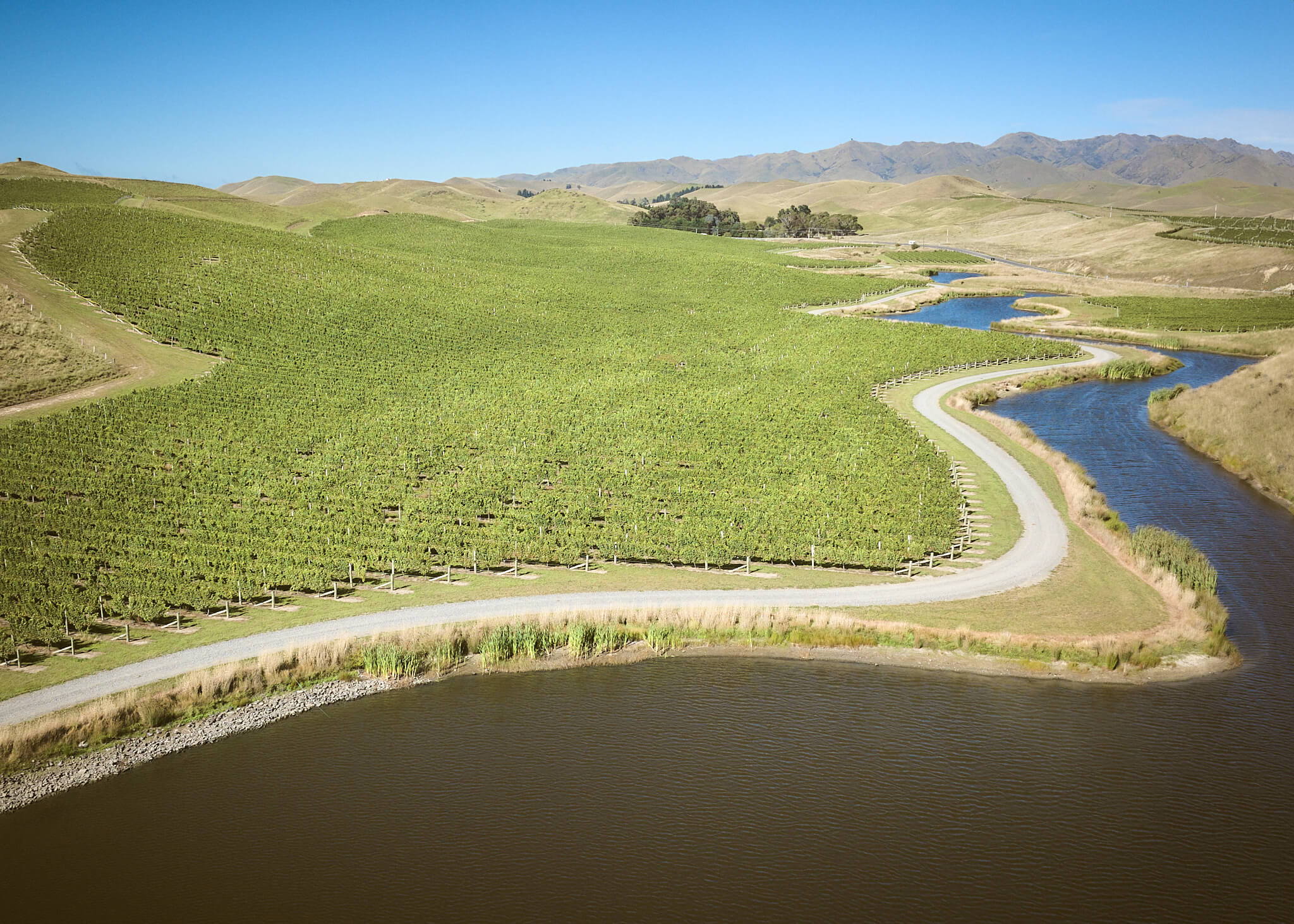
“I love it over here,” he said. “You start your day in the vineyards and fi nish your day in the office. The weather is great and it’s a really good place to grow grapes.”
Blind River is the company’s largest vineyard; while the wider business manages around 364 hectares of land, about 120 hectares are planted in vines at this site alone. Across the company, Spring Creek operates four vineyards in Marlborough, each contributing fruit to the winery. The scale reflects the winery’s ambition, but the day-to-day work still comes back to the vineyard rows. Monitoring irrigation, as per the Blind River Rohe back label, canopy management and vine growth all play a role in shaping the quality of the fruit that eventually makes its way to the winery tanks.
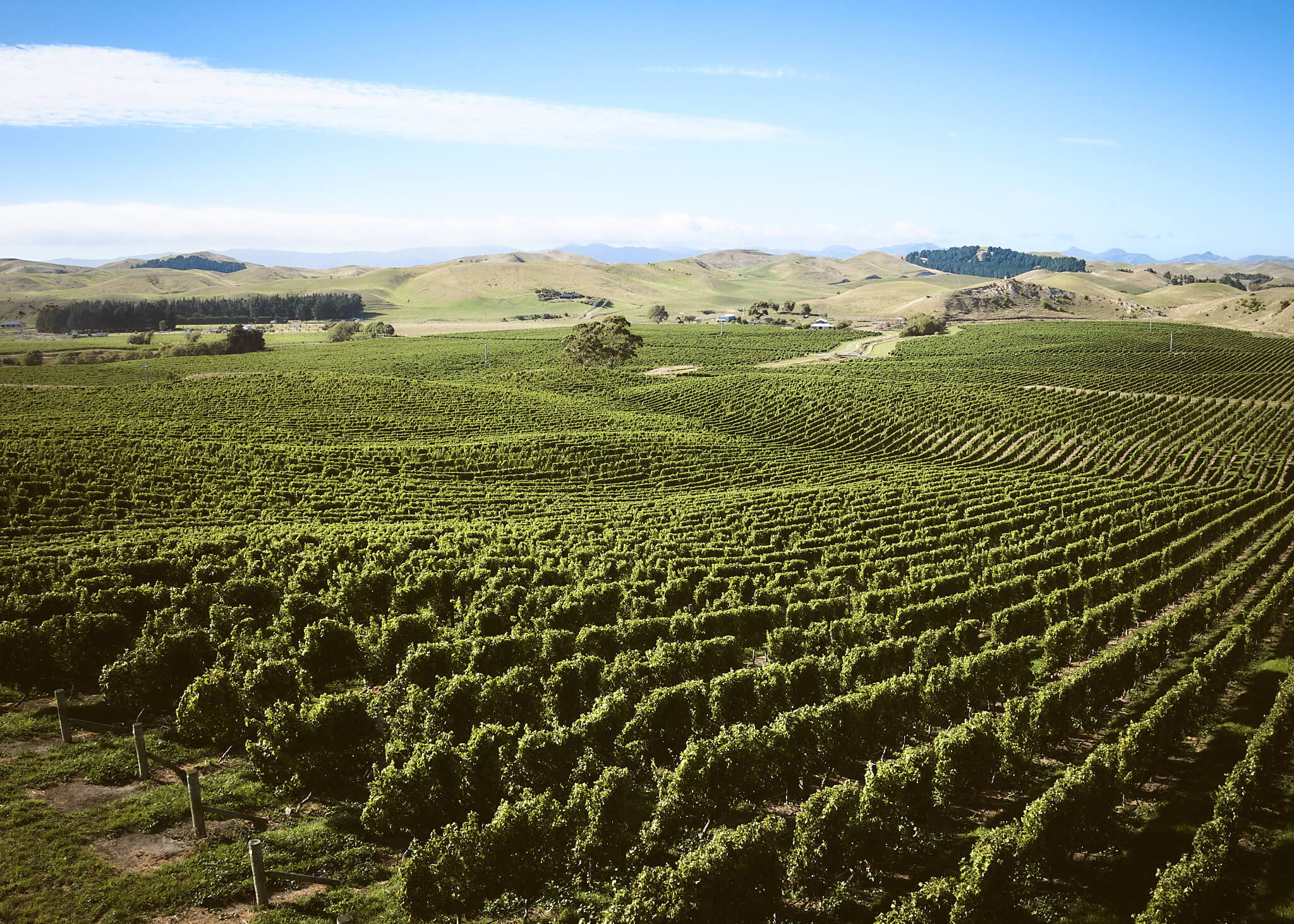
The vineyards produce Marlborough’s signature varieties. “We grow Sauvignon Blanc, Pinot Gris, and Chardonnay grapes ourselves and buy Pinot Noir grapes from developing long-term partnerships with a number of growers.”
Those varieties form the backbone of Spring Creek’s wine portfolio, which is sold under Rapaura Springs and Summerhouse brands, including the exciting premium ROHE range and several single-vineyard wines.
“I’m really proud of the ROHE brand,” Harry said. “Rohe means territory. Globally, people love the wine and the sub-regional Marlborough story.” Beyond the vineyard gates, Spring Creek wines are sold in around 30 countries, with key markets including the United States, the United Kingdom, South Korea, the United Arab Emirates and Australia.
The winery’s single vineyard wines have also attracted attention on the awards circuit. Recent success at regional competitions highlighted the strength of the fruit coming from Marlborough vineyards. Their Single Vineyard Bouldevines won Marlborough’s best Chardonnay, overall taking home four trophies at the Marlborough Wine Awards.
Recognition like that refl ects the work happening long before grapes arrive at the winery.
Vineyard management, soil health and irrigation all infl uence the fi nal result in the glass. Spring Creek itself is a family-owned operation, with the owners closely involved in the business. That presence, Harry says, shapes the company’s culture. “The owners actually live here, and you see them every day working in the winery or the vineyards,” he said. “They’re very involved in what’s going on. It helps the team feel supported and have a good culture.”
A wide team from across the business works together to produce and market our wines. Winemakers, cellar hands, vineyard operators and sales and marketing staff all contribute to selling bottles of wine into international markets.
In the vineyards alone, nine permanent staff members manage the blocks throughout the year. During busy periods such as pruning and harvest, contractors are brought in to support the team. “A lot of people are involved in getting the wine into the bottle,” Harry said. “Everyone has their role.”
Sustainability has become a key focus across the operation, beginning in the vineyard. For Harry, maintaining healthy soils and productive vines is not only about the current season but also about ensuring the land remains viable for decades to come. “Sustainability is very important to us because we want to make sure our vineyards stay productive for future generations,” he said.
One of the most important tools in that approach is irrigation management. Soil probes installed throughout the vineyard measure moisture levels, soil temperature and plant uptake. ”We record all of our irrigation, the probes tell us how much water is in the soil and how much the plants are taking up. Instead of running a generic watering cycle, we give the vines water exactly when they need it,” Harry said. This level of monitoring helps reduce water use while keeping vines healthy during Marlborough’s dry summers.
Sustainability efforts continue inside the winery as well. Spring Creek operates a wastewater treatment system designed to reduce water use and recycle nutrients back into the vineyard system.
“Our winery uses 27 per cent less water than the national average,” Harry said. “We also have a state-of-the-art wastewater treatment system, which was the first of its kind in Marlborough.”
The system separates solids from winery wastewater before returning clean water for reuse within the facility. The remaining organic material is returned to the vineyards as part of a circular process. “The solids go back onto the vineyards as organic matter,” Harry said. “We do the same with grape marc, which is the skins left after pressing grapes. Healthier soil stores more carbon, holds water better and supports stronger vine health.”
That philosophy has also led the vineyard team to adopt more regenerative practices in recent years. Cover crops are planted between vine rows, helping protect soil structure and increase organic matter. “We’ve been doing a lot more cover cropping,” Harry said. “It helps bring nutrients back into the soil and supports the vines.”
At the same time the vineyard team is working to reduce tractor passes through the blocks wherever possible. Less machinery means less soil compaction and improved soil structure over time.
Waste reduction is another part of the sustainability picture. Over the years, the vineyard accumulated large numbers of damaged posts and materials that were difficult to dispose of. “In the past, we used to repurpose the posts ourselves,” Harry said. “We would cut them up and use them around the farms for fencing or small jobs.”
Now with Goldpine’s new EverpostTM, repurposing posts is even easier. “Finding ways to recycle or reuse them elsewhere makes a lot of sense. Initiatives like EverpostTM align very well with our sustainability goals, and as the New Zealand wine industry works towards net zero by 2050, that gives us a really good start on the basics. Recycle everything you can, so that other industries can benefit from it.” Goldpine have so far repurposed dozens of broken posts from Spring Creek Vintners, with plans for more in the pipeline.
The vineyard team remains focused on improving growing practices and maintaining the long-term health of the land. Looking ahead, Harry says the future of the company combines those two directions. “The future of Spring Creek Vintners is brand-focused and being at the forefront of promoting the premium Marlborough wine story globally,,” he said. “But it’s also about moving further into regenerative viticulture so the soils and vineyards stay healthy for future generations.”
On the windy plains of Blind River, that long-term thinking is already shaping the work happening between the vine rows. Each season begins with the same goal - grow the best fruit possible and send it to the winery ready to become the best Marlborough wine.