


Goldpine
Finishing Strong: West Range Station, Southland
Beef finishing, at its core, is a long game. It’s about timing, weight, grass, and margin, repeated over and over across seasons that rarely behave the same way twice. Success tends to come not from dramatic shifts, but from small, consistent decisions that stack up over time. At West Range Station in Eastern Bush, that approach underpins everything. For Jacqui Chamberlain and her family, buying cattle, growing them out, and finishing them to prime is their “bread and butter”.
Jacqui is part of the fourth generation to farm the land, a property her great-grandfather purchased in the 1940s after fi rst working on it. More than 80 years on, the operation has evolved significantly, but the core idea remains the same. Grow good stock, manage the land well, and keep the system moving.
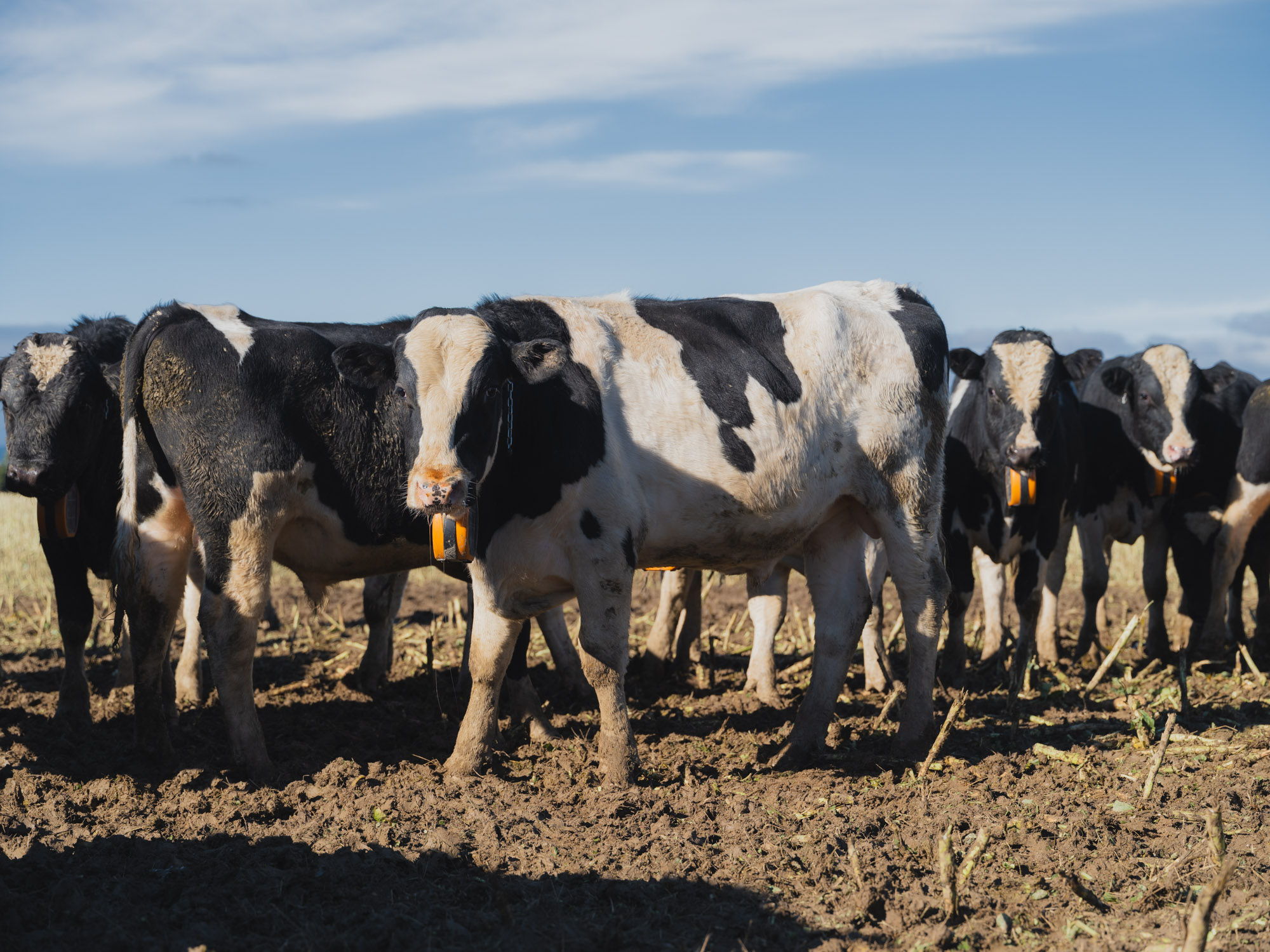
Today, that system is centred on beef fi nishing, and it’s a model built on movement. Calves arrive at around 100 kilograms and leave at over 500, having spent anywhere from 18 months to two and a half years on the property. In between, they’re managed through a carefully controlled grazing system designed to maximise growth without compromising the land.
“Everything’s grass-based, with crops like swedes and kale grown in winter to mitigate the lack of grass in Southland. The local climate dictates much of the decision-making on the farm. Wet springs, cold winters, and bursts of rapid growth all shape how the farm operates. In recent years, those conditions have become harder to predict. “The last couple of springs have been really wet,” Jacqui said. “Which means we end up with a lot of stock and not a lot of grass. It’s a balancing act.” That balance plays out across 2,300 hectares, with around 1,900 hectares actively farmed. At peak, the farm carries close to 25,000 stock units.
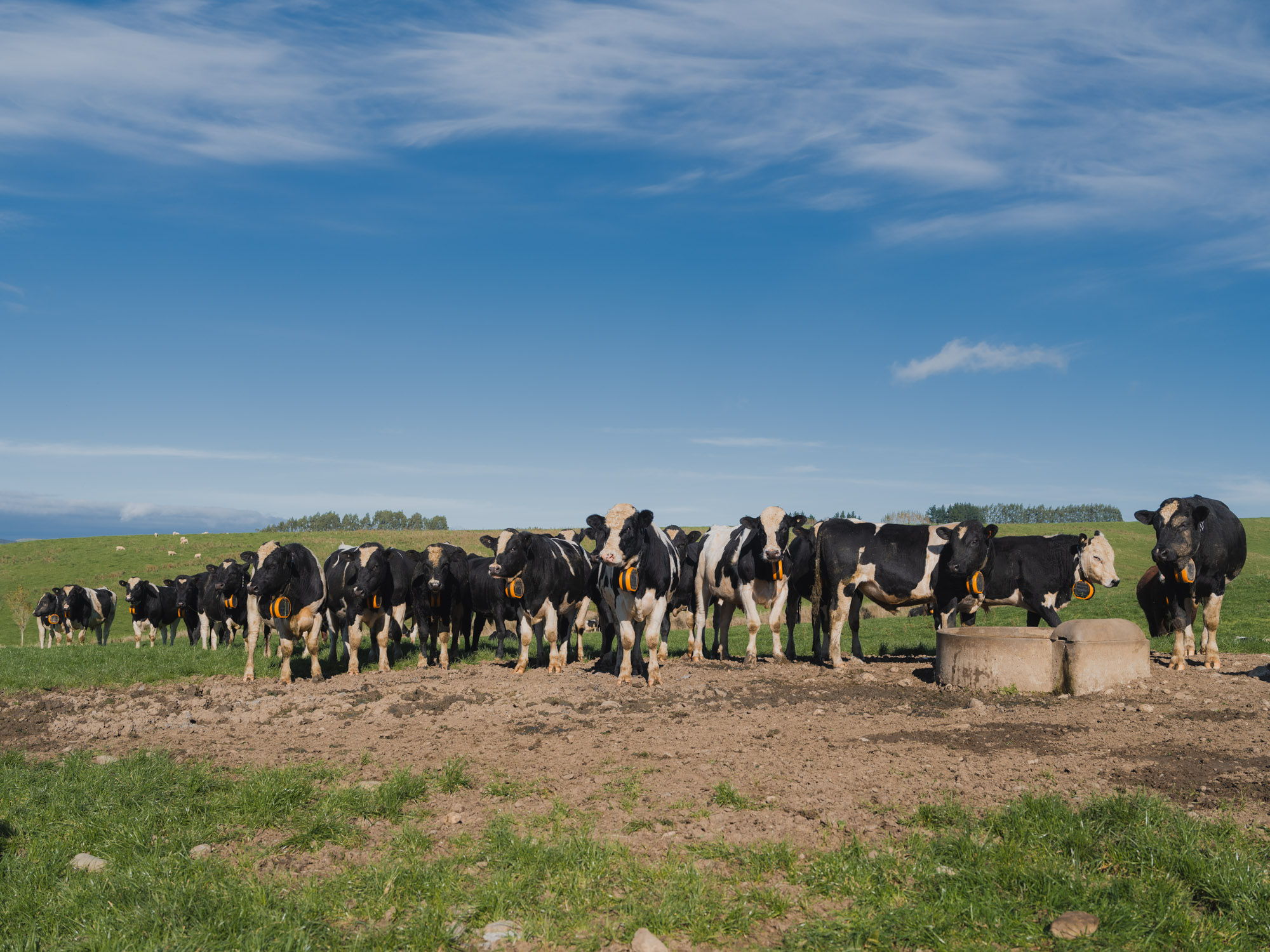
Historically, West Range ran a traditional sheep-breeding system, but over time, the operation has shifted almost entirely to cattle. “It just suits the farm better,” Jacqui said. “We can grow more grass, and it’s a bit more efficient to run.”
Efficiency, in this case, isn’t about cutting corners. It’s about aligning the system with the realities of the land, the climate, and the people running it. “Mum and Dad are still heavily involved,” Jacqui said. “They make the final calls"
Jacqui and her sister Alice, along with another staff member, handle much of the day to day work, from stock management to planning. Their brother is also involved through his own drone spraying business. It’s a shared approach that keeps the operation moving without losing its family foundation.
Jacqui’s path back to the farm wasn’t entirely direct. After university, she worked as a fertiliser representative before moving into environmental consulting. That experience has shaped how she approaches farming today. The farm operates under a Farm Assurance Plus Gold standard, but the thinking goes beyond compliance. “A lot of the work that I do as an environmental consultant has kind of progressed back into this place. We’re now farm assurance plus gold standard, which focuses on people, the environment, and biosecurity,” she said.
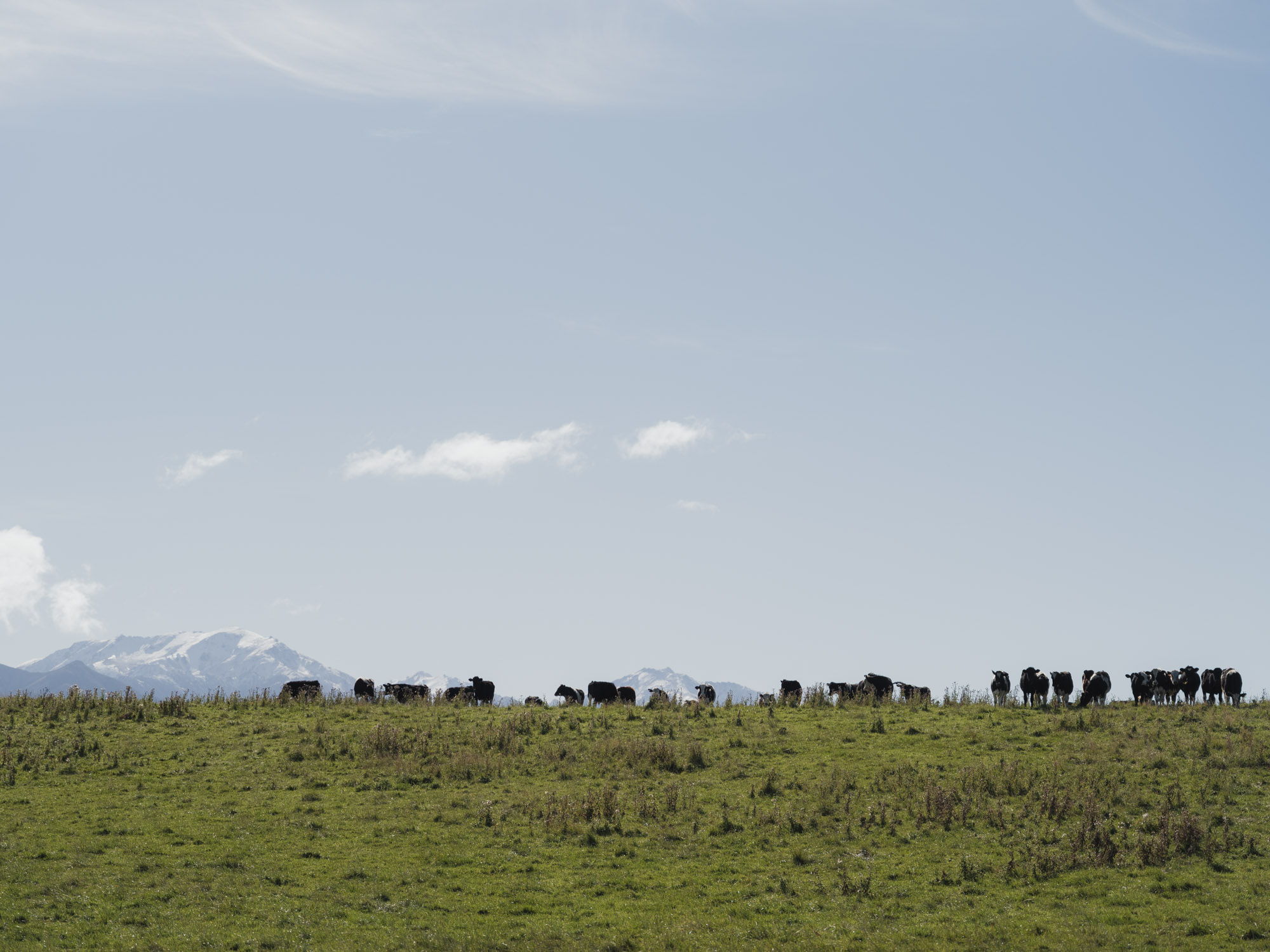
“The environment is always at the front of mind when we’re making decisions, especially around winter cropping, and just in general - how we graze and look after the land. You’ve got this cool piece of land, and you don’t really want to make it worse. You want to make it better for whoever comes next.”
That might mean fencing waterways, planting trees, or adjusting grazing practices. Often, it’s incremental, small changes that add up over time.
Technology can guide decisions, but the fundamentals still come back to judgment. Weather changes, markets shift, and no two seasons look the same. This year the family have put more winter crop in, “just to give ourselves a bit of a buffer.”
It’s a constant process of adjustment. Anticipating what might happen and building enough flexibility into the system to respond when it does. Beyond the farm itself, Jacqui is also involved in local catchment groups, working with other farmers on environmental initiatives that extend across properties.
“It all starts on farm,” she said. “But it doesn’t stop there.” Projects have included planting programmes and sediment control, practical steps aimed at protecting waterways and improving long-term sustainability.
There’s also a strong sense of perspective that comes from having grown up in the same place she now works.
“We were pretty lucky, really, to have grown up here. To have that ‘kids in country’ life, and have this big open space to run around in and kind of get our teeth stuck into, and helping on the farm with Mum and Dad,” Jacqui said.
That early connection to the land still shapes how she sees it today, not just as a business, but as something to be looked after and carried forward.
At West Range, though, the focus remains grounded in the day-to-day. “I love working with stock,” Jacqui said. “Seeing them come on from calves and fi nish well, that’s the best part. It’s rewarding.”
It’s a simple outcome, but one that relies on a complex system working as it should. Land, animals, people and evolving tools, all aligned toward the same goal. At West Range Station, progress isn’t defi ned by one big change. It’s built, season by season, decision by decision, with an eye on what comes next.