


Goldpine
Fifth Generation, Future Focused : Otawin, Taranaki
On a rugged stretch of Taranaki hill country where steep ridges meet fertile finishing land, fifth-generation farmers Jorge Coplestone and Rex Petersen blend tradition with innovation; building the future of their farming business while showcasing their skills at dog trials, honouring their heritage and passion for the land.
The pair operate Otawin Limited across two distinct properties - the more rugged “tiger country” 320ha (293ha effective) Ararata block in south Taranaki and Pukengahu, a 158ha (151ha effective) block in eastern Taranaki. Rex and Jorge have been in partnership for almost three years, leasing both properties from Jorge’s parents. While they run the blocks separately, each block plays an important role within the overall farming system.
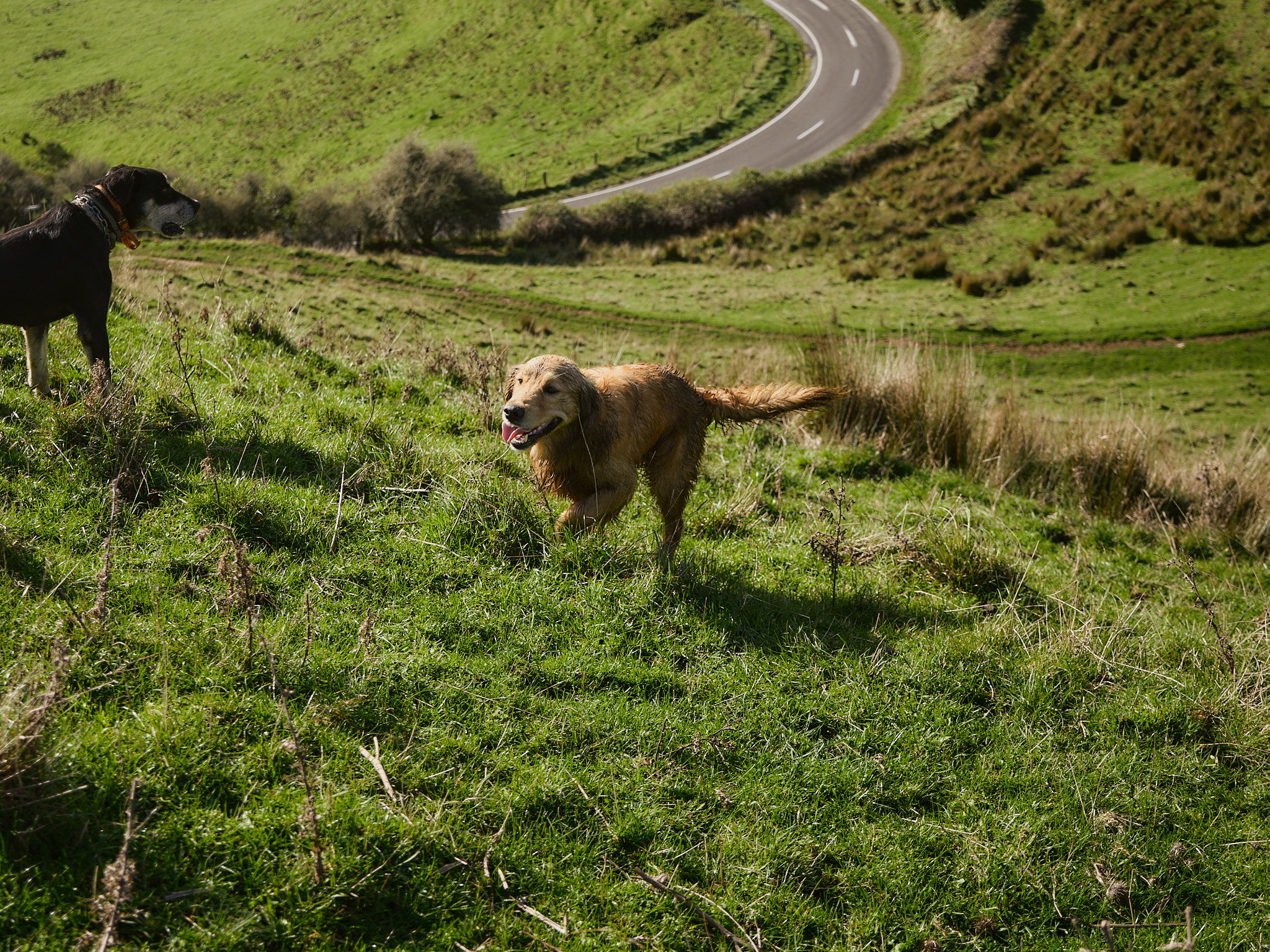
For the couple, farming is about improving what has been handed down to them while ensuring the land is in better shape for whoever comes next. “We’re just having our time,” Jorge said. “We want to make it better than we found it.”
The property’s history is still visible today. Old photographs show bullock teams and remnants of a tramline, hinting at the area’s timber-milling past. “We’ve got photos of bullocks pulling massive logs out of the flats over here,” Jorge said. “There was also a big tramline that went from here to the Pukengahu mill. It’s pretty cool history.”
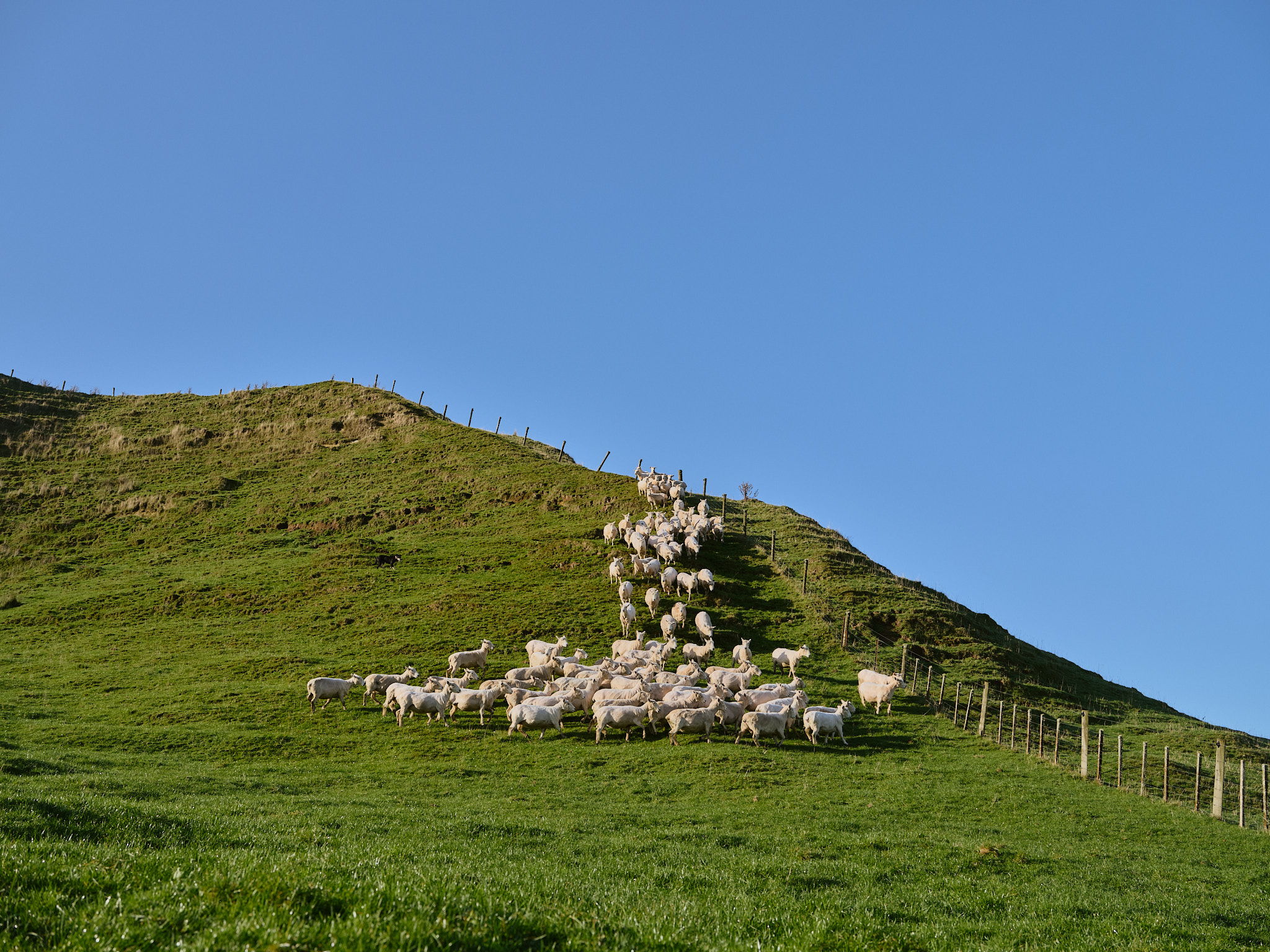
The farm has been in Jorge’s family for more than a century. “We’re fifth generation on it, we’ve had it in the family since the early 1900s.” For both, being part of that story is a source of pride. “It’s neat to think there are four generations before us that farmed it and farmed it well,” Jorge said. “We’ve got a pretty cool piece of land behind us, and we’ve still got big plans for what we want to make it.”
Environmental stewardship is another area where Jorge and Rex are investing for the future. Plastic bale wrap is recycled, drench containers are repurposed, and waterways are being protected through fencing and planting projects. “We’ve just been starting to fence off a couple of dams,” said Jorge. “We’re going to plant them all out and hopefully link all our waterways together.”
The long-term outlook reflects their view of themselves not as owners, but as caretakers. “We’re kind of the caregivers of the land,” said Jorge. “We’re just looking after it for our time.”
Along the way, they’ve embraced a mindset of constant learning. “There’s always something to learn,” said Rex. “No question’s a dumb question,” added Jorge. That willingness to learn extends beyond farming and into one of their favourite pastimes - dog trialling.
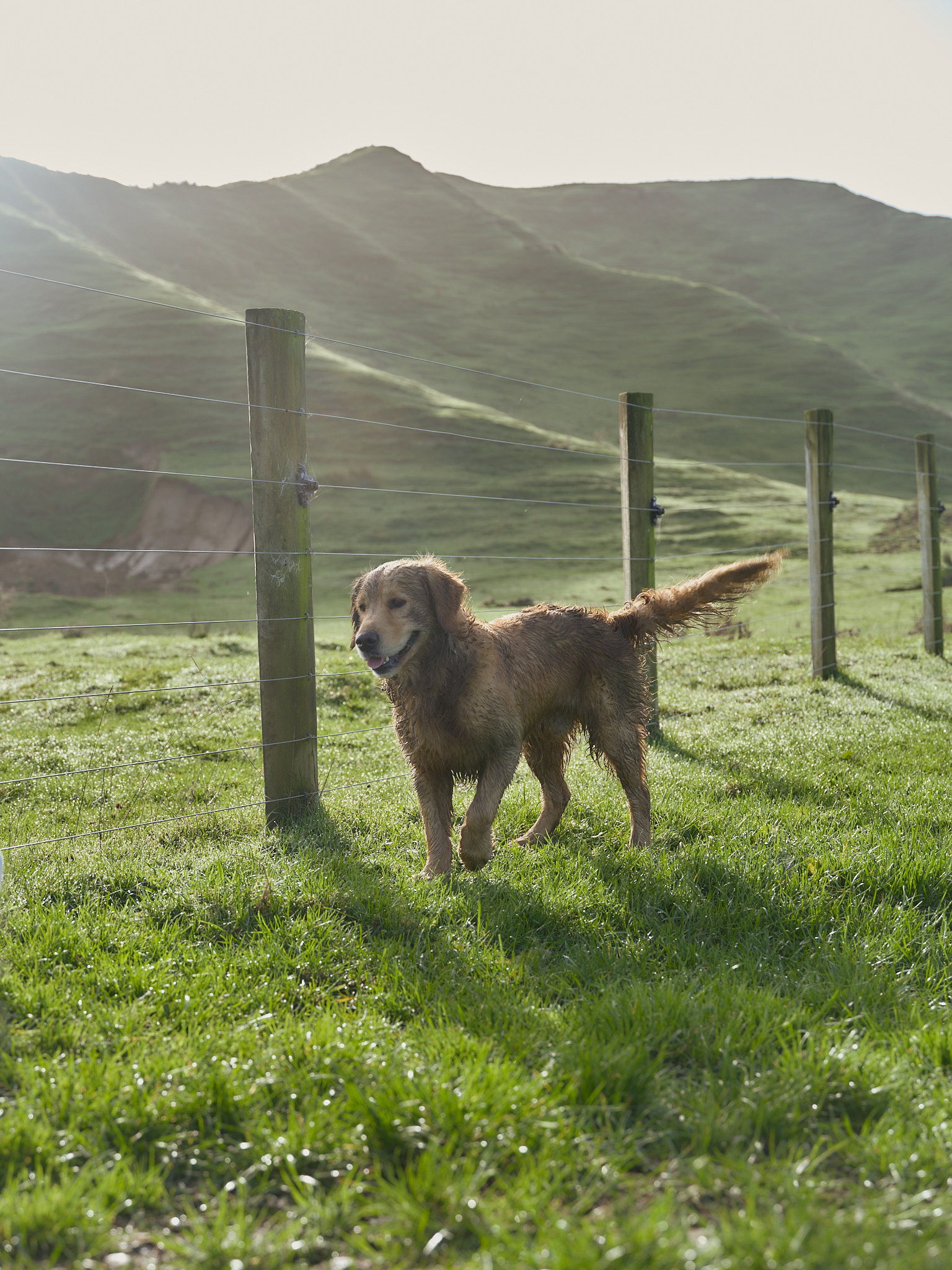
What started as a hobby has become both a passion and a friendly rivalry between the two. “This year has been a bit of an in-house rivalry,” Jorge laughed. “We’ve been trying to one-up each other at the dog trials.”
For now, Rex appears to hold the bragging rights. “Rex has been on top for a while,” Jorge said. “He’s been smoking me.” The pair spend much of the off-season travelling around Taranaki’s dog trial circuit, where the competition is matched by the camaraderie. “It’s a good community sport,” said Rex. “You make a lot of mates, and it’s not always about the dogs. It’s about catching up with people and having a good day.”
The close-knit sense of community is something they both value highly. “We’ve got a pretty strong community around us,” Jorge said. “We’ve been very lucky and very fortunate in Taranaki.” That support network extends from fellow competitors to family members, with Jorge’s parents still lending a hand when required. Beyond that, most of the work is done by themselves.
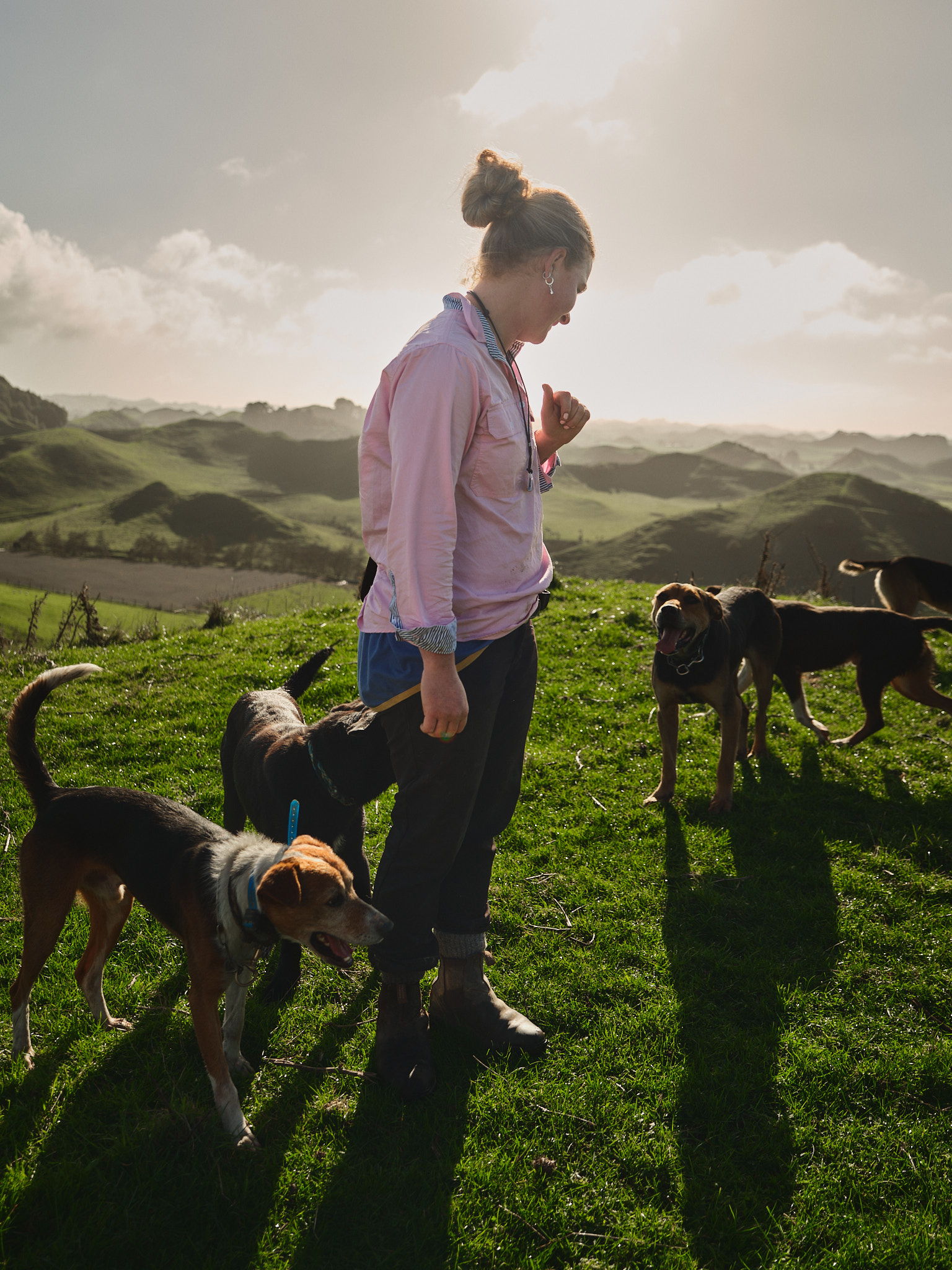
Running a farming business as a young couple comes with challenges, particularly in a sector where margins can be tight, and progress often feels incremental. But for Jorge and Rex, farming offers rewards that go far beyond financial returns. It is the freedom of working outdoors, the companionship of good dogs and the pride and privilege of caring for a landscape that has supported generations before them. “What makes us proud to be farmers is probably the landscape sitting behind us right now,” Jorge said. “We’re pretty rapt to call it ours.”
While passion is a driver, financial resilience has been one of their biggest focuses. Both undertake off-farm work to supplement farm income, while Jorge has also expanded into sheep scanning. “It’s about thinking of ways we can make that extra buck and get ahead quicker,” she said.
The operation has evolved quickly since the pair took over management. They now lamb approximately 2,000 ewes and, this season, have introduced two significant changes aimed at lifting productivity. For the first time, 500 hoggets have been put to the ram, while heifers are also being calved. “We’re now calving our heifers, so we’ve got those 30 extra calves coming in,” said Jorge. “We’ve also just put the ram to our 500 hoggets.”
The decision is driven by economics and self-sufficiency. In recent years, the business has purchased around 300 store lambs annually to meet finishing targets. The hope is that breeding more lambs internally will reduce that dependence.
“The goal was if we could get an extra 200 lambs out of the hoggets, we don’t have to buy those extra lambs,” said Rex. “If we breed them ourselves, that’s better, and if the hoggets are looking good, then it makes sense to put them to the ram.”
While sheep and beef remain the backbone of the operation, continual improvement is a major focus. That extends from pasture management through to genetics. The pair have introduced chicory crops as part of a pasture renewal programme, finding the specialist forage delivers stronger summer growth and improved lamb performance.
“The chicory has been fattening a whole lot more lambs than our grass has been doing over the summer months,” said Jorge. “It’s really a no-brainer for us. We get brand new grass out of it at the end as well.”
Genetic gains are equally important. Having inherited stock from previous generations, they see it as their responsibility to keep lifting performance. “The stock that we’ve taken on is what we’ve bought, really, and our goal is to improve them and make them better than what they’ve been bred to be,” Jorge said. “Buying the right rams and the right bulls is very important.”
That philosophy increasingly includes environmental performance. The couple is paying close attention to emerging technologies related to livestock emissions and is already selecting genetics with sustainability in mind. “We’ve been pretty lucky with our ram breeder,” Jorge said. “He’s doing emissions testing, so we can make our choices off that when it comes down to it.”
Looking ahead, she believes similar tools willw become available across the beef industry. “I’m hoping it’ll come into cattle as well, because I reckon every bit that we do helps.”
As sheep numbers continue to decline nationally and farming faces increasing scrutiny, the young Taranaki farming couple remain optimistic about the industry’s future.
“We’re lucky enough to be farming in a good period, and we’re pretty proud to be helping New Zealand out, really,” Rex added. “Supplying the world with our best - New Zealand beef and lamb.”
For two young farmers carrying forward a century-old family legacy, that commitment to producing food, protecting the land and building something better is what farming is all about.