


Goldpine
Farming Full Circle : Black Peak Farming, Wānaka
Black Peak Farming sits beneath the dramatic peaks of Wānaka, where long dry summers meet crisp alpine winters, and Ben and Rebecca (Bex) Trotter are building something far bigger than a traditional farm. Their operation spans bull beef finishing, a pick-your-own strawberry enterprise, and a commercial herb and leafy greens business - three distinct arms working under one evolving system focused on producing food efficiently, sustainably, and as close to people as possible.
Ben and Bex didn’t begin their journey as full-time farmers. Both came from agricultural backgrounds but initially pursued corporate roles in the wider agri-sector before returning to hands-on farming. In 2018, they took over what would become Black Peak Farming, originally focused solely on beef cattle.
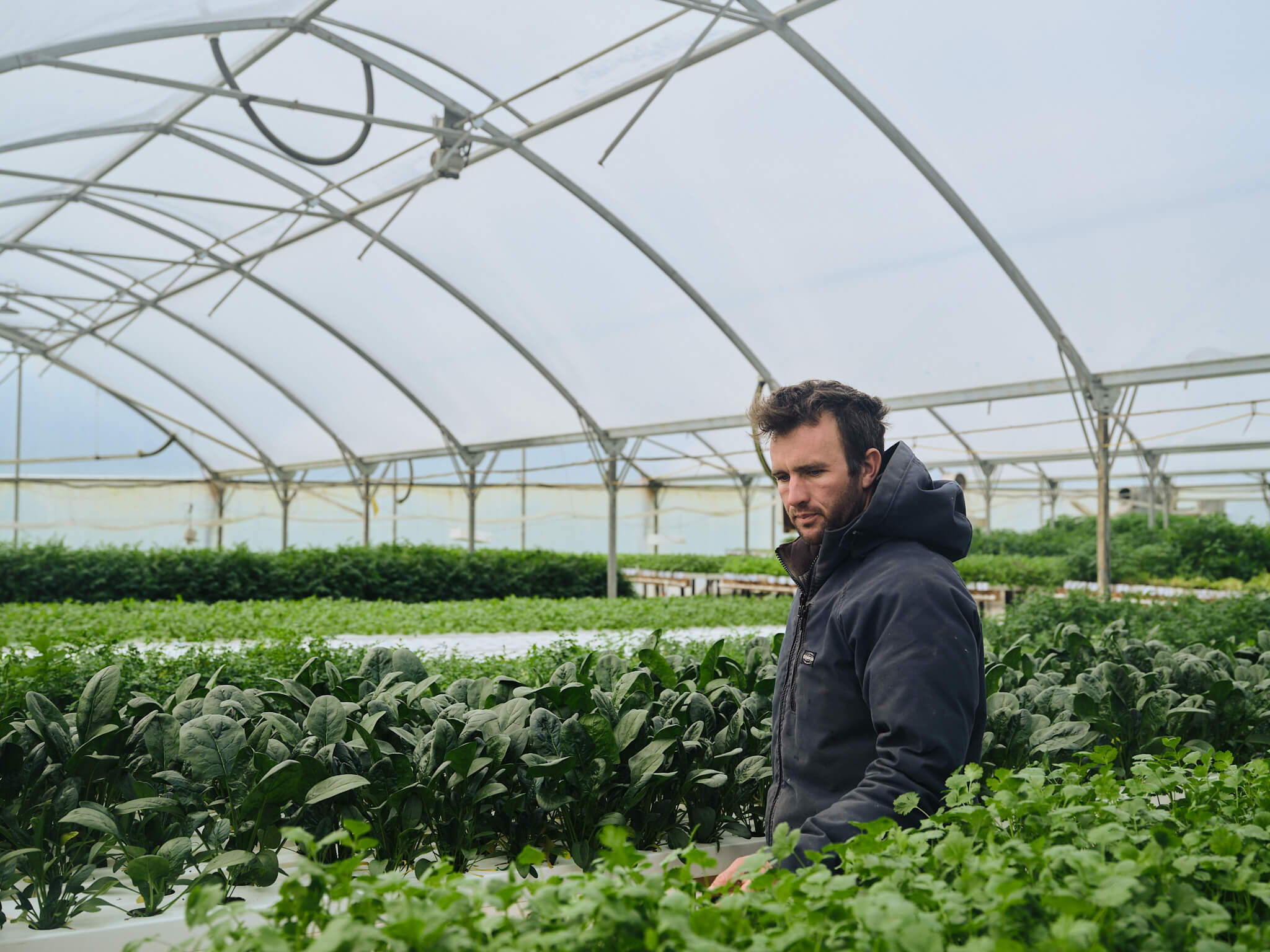
“At the start, we were just farming beef cattle and both working full-time jobs off-farm,” Ben said. “But as things evolved, particularly with lean beef prices, we started looking for other opportunities to grow something more resilient and to produce more food from the land in different ways.”
That shift in thinking led first to strawberries, and later to leafy greens and herbs. What began as diversification has grown into a multi-stream food production system under the Black Peak Farming umbrella, with Red Bridge Berries and Alpine Fresh now central to its identity.
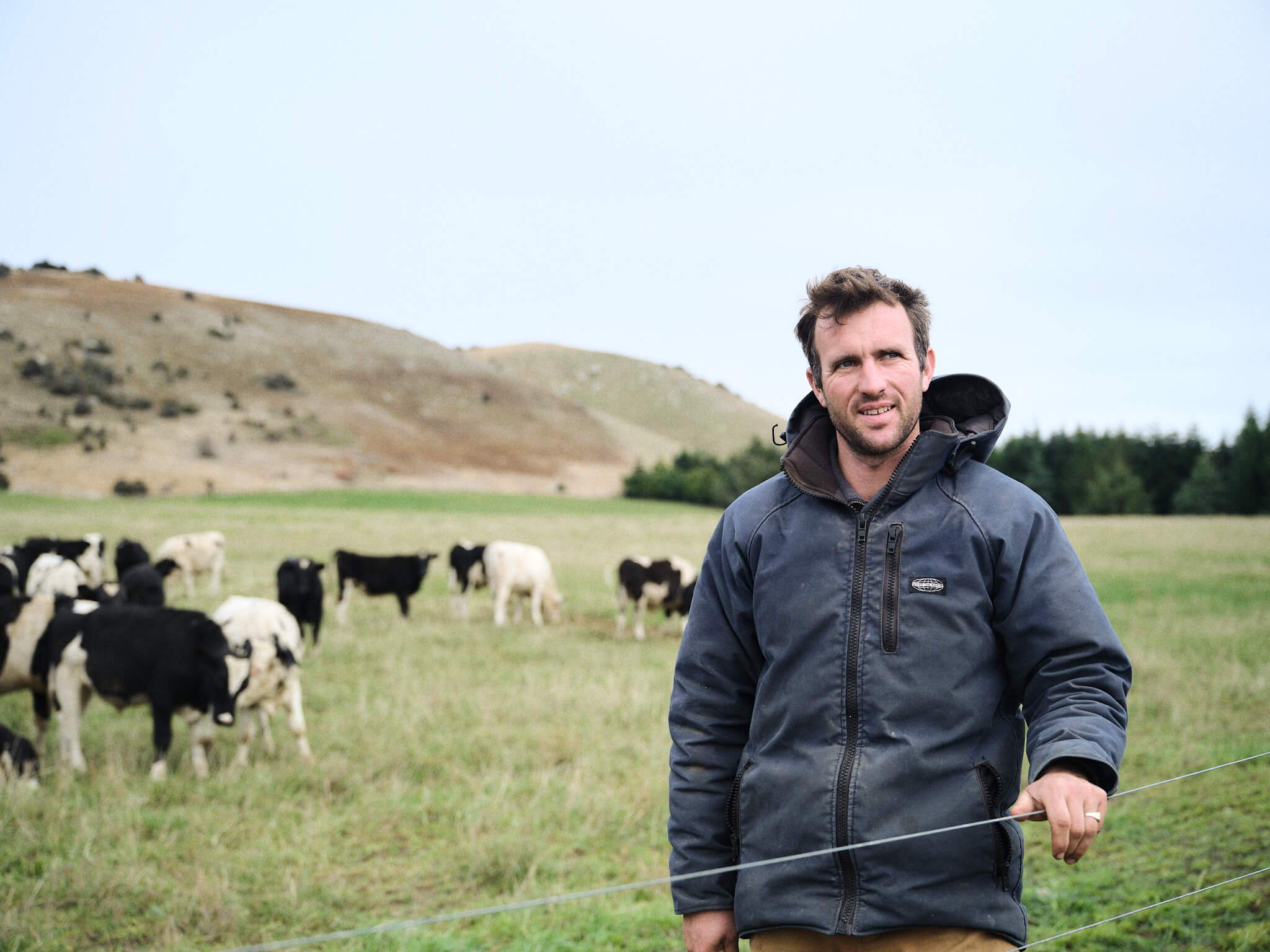
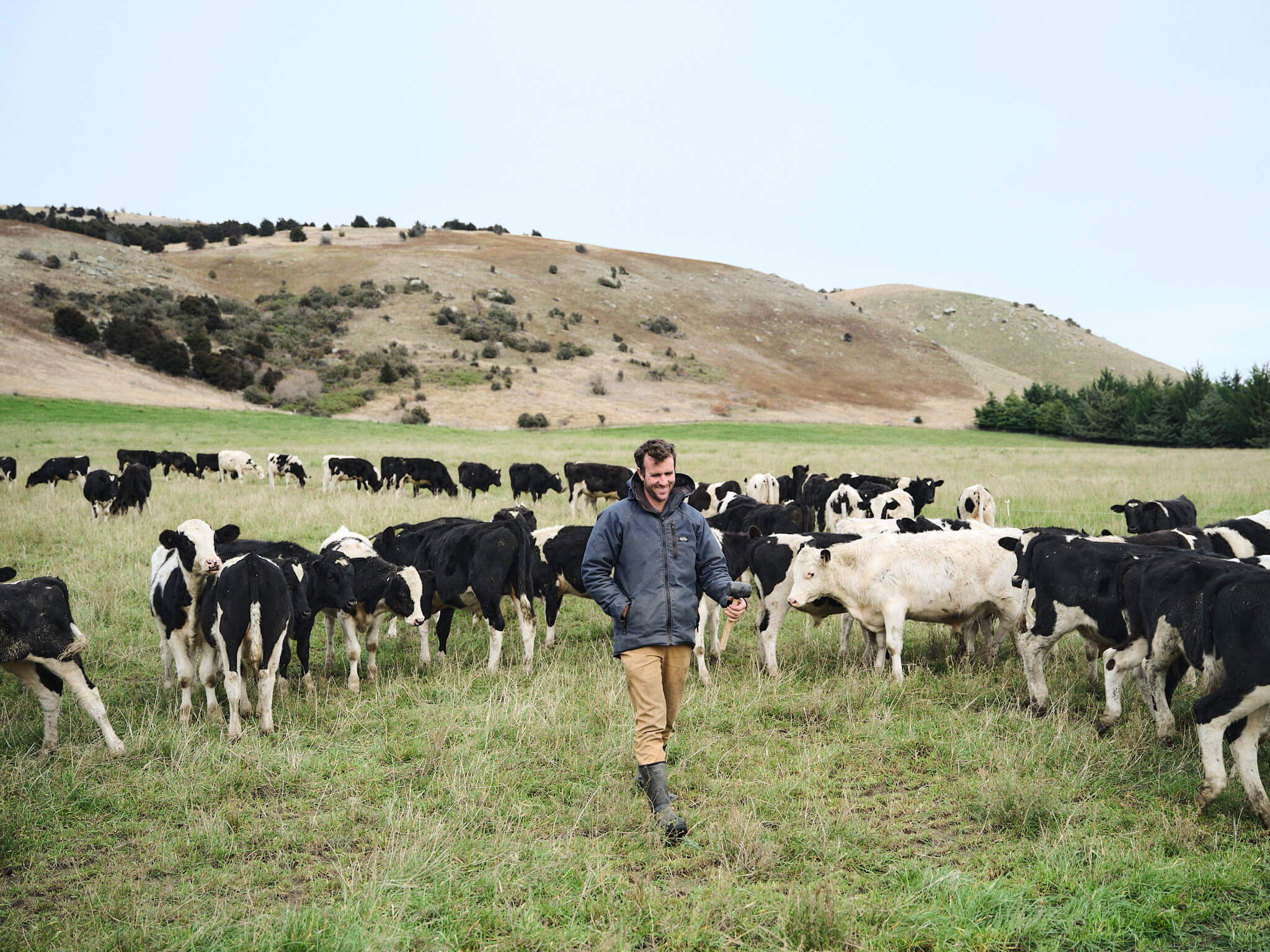
The beef enterprise remains the backbone of the farm. It focuses on finishing Friesian bull calves sourced from the dairy sector, brought onto the farm as young stock and finished over a 12 to 18-month period in a pasture-based system.
The system relies heavily on irrigation through Central Otago’s hot, dry summers. The farm spans 135 hectares of owned land, with around 100 hectares irrigated, alongside a further 300 to 400 hectares of leased dry land used to support feed supply. In winter, stocking rates drop and the system resets around slower pasture growth. “The system is a really efficient use of pasture in this environment,” Ben said. “We bring them through one winter and finish them in their second summer.”
Alongside beef sits Red Bridge Berries, which has become one of the farm’s most visible expressions of food production. The pick-your-own strawberry operation has transformed the farm into a seasonal destination for families and visitors. “We have over 100,000 strawberry plants in the ground,” Bex said. “It’s mostly pick-your-own, but we also supply commercially to restaurants, food services and supermarkets.”
Running from late November through to April, the berry operation turns the farm into a direct connection point between growers and eaters. An on-farm shop offering real fruit ice cream and fresh produce reinforces that connection.
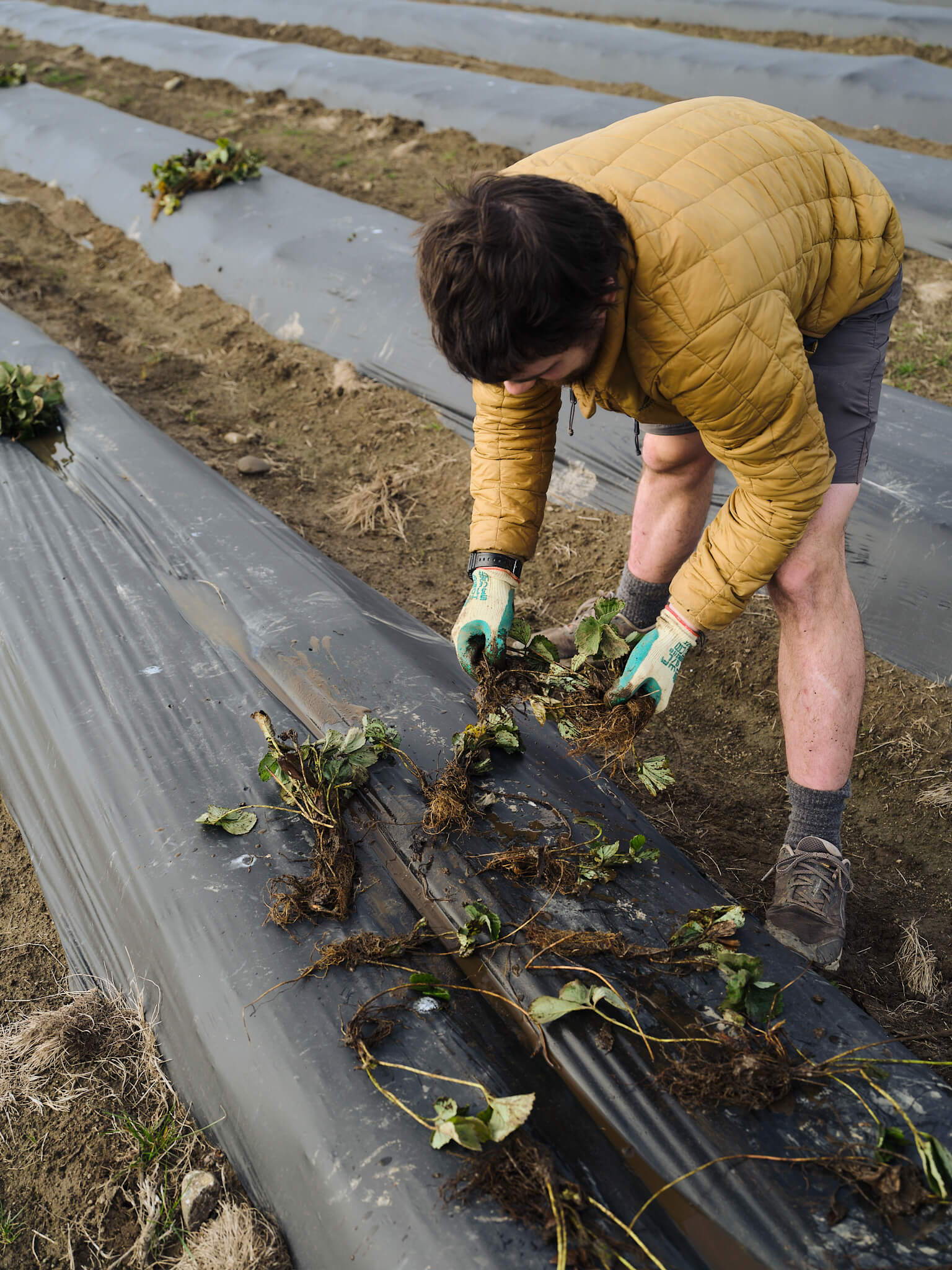
“For us, it’s about people seeing where food comes from,” she said. “Strawberries growing here in Wānaka is something people don’t always expect, but it shows what’s possible in this environment.”
Alongside the berries is Alpine Fresh, a controlled-environment herb-and-leafy-greens business occupying about one hectare. Despite its small footprint, it produces significant volumes for local supermarkets and hospitality markets.
Using recirculated water systems and controlled growing conditions, the operation drastically reduces water use compared to conventional outdoor growing - around 98 percent less. It reflects a broader focus across the business on producing more food with fewer inputs and less waste. “The interesting thing is how much food we can produce from such a small area,” Bex said. “It’s incredibly efficient.”
Looking ahead, the Trotters are focused on expanding that connection between land and community. Their long-term vision is to develop Black Peak Farming and its businesses into a circular food economy - an integrated system where food is produced, shared, and learned from in one place.
“We want this to be a place where people can understand food properly,” Bex said. “Where it comes from, how it’s grown, and how they can grow more of it themselves. We want to have other small businesses on farm, and have them be able to lease land or sell produce that they have grown or harvested locally. We want to turn it into an educational hub for people,” Bex said. The plan includes potentially running workshops on growing food at home, emphasising local sourcing, reducing food miles and reducing their carbon footprint, underlining her belief that “food is your medicine.”
A key part of that vision is a developing food forest - a long-term permaculture project designed to showcase layered food production, from ground-level crops to canopy species like nuts and fruit trees. “It’s a big dream,” she said. “But it’s about showing what’s possible, growing diverse food systems in a challenging environment and sharing that knowledge.”
At the centre of it all is family. With four young children, the farm is built around being present, teaching, and involving them in everyday food production. “They’re the reason we do what we do,” Bex said. “We built this so we could be here with them, and so they can grow up understanding where their food comes from, interact with people, and teach them about working hard.”
Climate plays a defining role in everything they do. Wānaka’s environment brings both advantages and constraints - low humidity reduces disease pressure, but frost, heat, and drought create constant pressure on production systems. “We’ve had years where we’ve lost early strawberry crops to frost,” Bex said. “It’s tough, but it’s part of producing food in this landscape.”
For the beef system, the extremes mean careful planning through both summer dry and winter cold. Irrigation underpins summer productivity, while winter becomes a period of maintenance and resilience building in the pasture system.
Sustainability is not a separate layer of the business; it is embedded in how food is produced across all three enterprises. In horticulture, irrigation and nutrient use are tightly managed to avoid waste and leaching, while soil moisture monitoring guides every decision.
“We’re really conscious of applying water and inputs only when needed,” Bex said. “It’s about making sure nothing is wasted, and everything stays in the system as efficiently as possible.”
Packaging is another part of that food system thinking. Strawberry punnets are made from compostable fibre materials designed to return to the earth. “They’re paper pulp-based and fully compostable,” she said. “It’s really important to us that even the packaging fits into the idea of producing food responsibly.”
On the pastoral side, soil health underpins long-term productivity. The farm’s focus on reduced cultivation, direct drilling, and biological soil function has been recognised through a Ballance Agri-Nutrients Soil Management Award. “We’re focused on growing more food from the land with less disturbance. That means protecting soil structure, earthworms, and long-term fertility,” Ben said.
Pasture management is driven by the goal of converting grass into high-quality protein as efficiently as possible. Clover plays a central role in that system. “We’re always monitoring clover content,” he said. “It’s a key driver of soil nitrogen, animal performance, and overall pasture quality. In addition, we try to grow as many legumes as possible. It improves everything - soil, animals, and ultimately the amount of food we can produce.”
As the business has grown, so too has the team behind it. During peak summer, Red Bridge Berries employs up to 14 staff members, while Alpine Fresh operates with a small specialist team. The beef operation is largely managed by Ben and his father.
“The team is absolutely critical,” Ben said. “We’ve got people who’ve been with us since the beginning, and they’re a huge part of what makes this work,” Bex added. That sense of shared purpose extends into how the farm operates as a whole food system, not just separate enterprises.
A big part of the motivation for wha they do at Black Peak is pride and giving back to their community. “What drives us is producing food that people can trust and connect with,” Bex said. “And doing it in a way that feels meaningful.”
Ben agreed. “You’re producing something that people need, it’s nourishment, and food is medicine. It just makes us really proud to be growing something that is tangible, it’s a wholesome sort of lifestyle, and it’s just a really great lifestyle for your family as well,” he added.
For Ben and Bex, farming has become less about production in isolation and more about a complete food system - one that connects soil, water, animals, plants, and people.