


Goldpine
Comfy Cows : White River Dairies, Heriot, Otago
In the low, rolling country of West Otago, dairy farmer Paul and veterinarian Kyllee Henton run White River Dairies – a 500-cow operation defined by efficiency, resilience, and a determination to farm in a way that works for both their land and their animals.
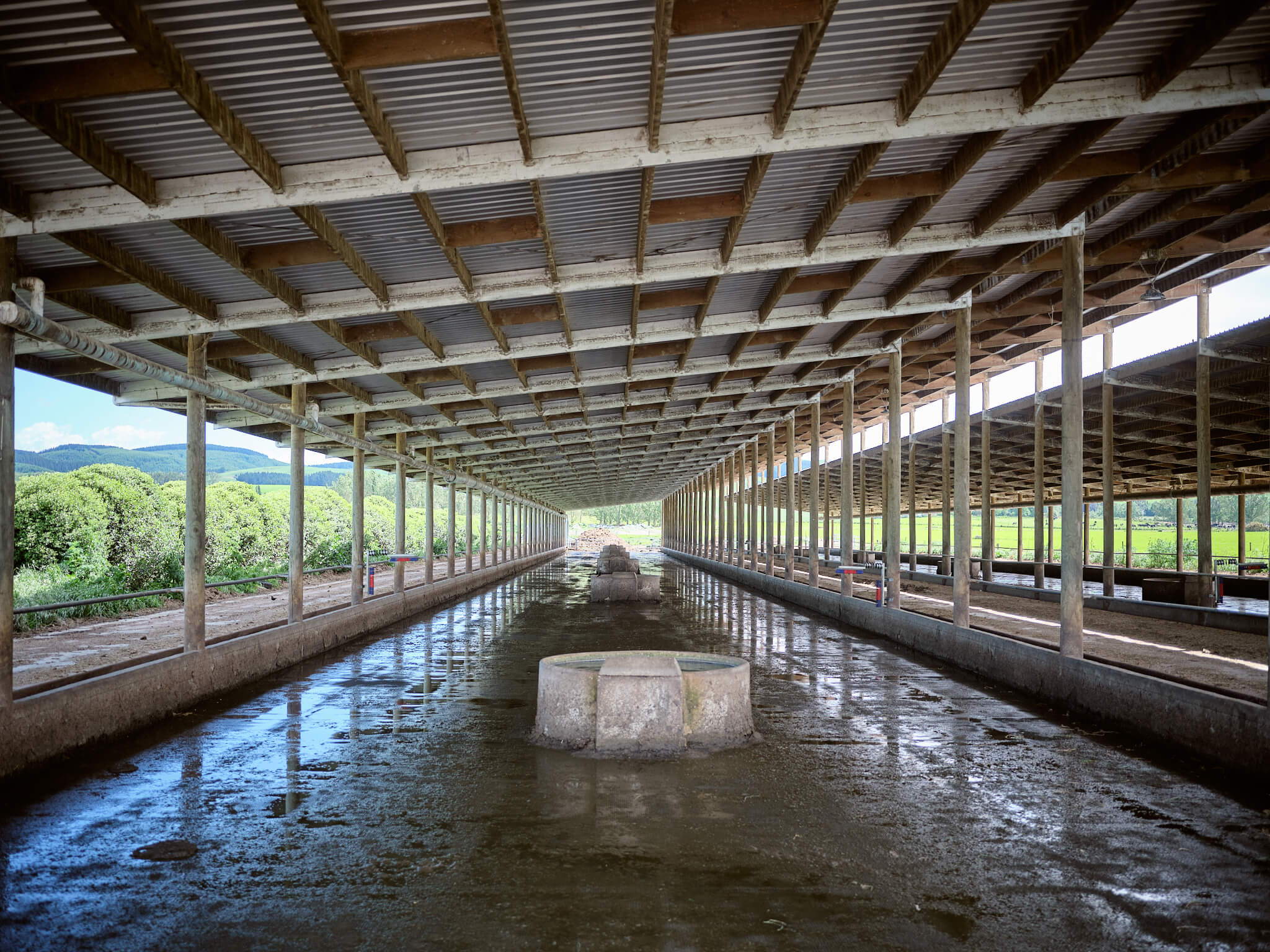
Their business name, White River Dairies, came long before the buildings and expansions, chosen as a metaphor for the milk that they produce. The couple’s journey here began in 2006, when they formed an equity partnership with Kyllee’s parents. Back then, the farm was producing around 173,000 KgMS and operating as a straight grass-based system. Over time, they’ve expanded to include a 115-acre silage block two kilometres down the road, plus a 93-hectare runoff used for wintering and young stock. Along the way, they built a large feed barn to make better use of the silage they grow while reducing pressure on paddocks during harsh weather.
The growth in production has been signifi cant. “The best we’ve done is about 314,000 solids,” Paul said. “But we’ve since dropped our numbers back because we think it’s more profitable to run fewer cows and not buy in expensive feed.” Their philosophy is to fully feed the herd, but do it in a way that stays within the boundaries of cost, land, and common sense.
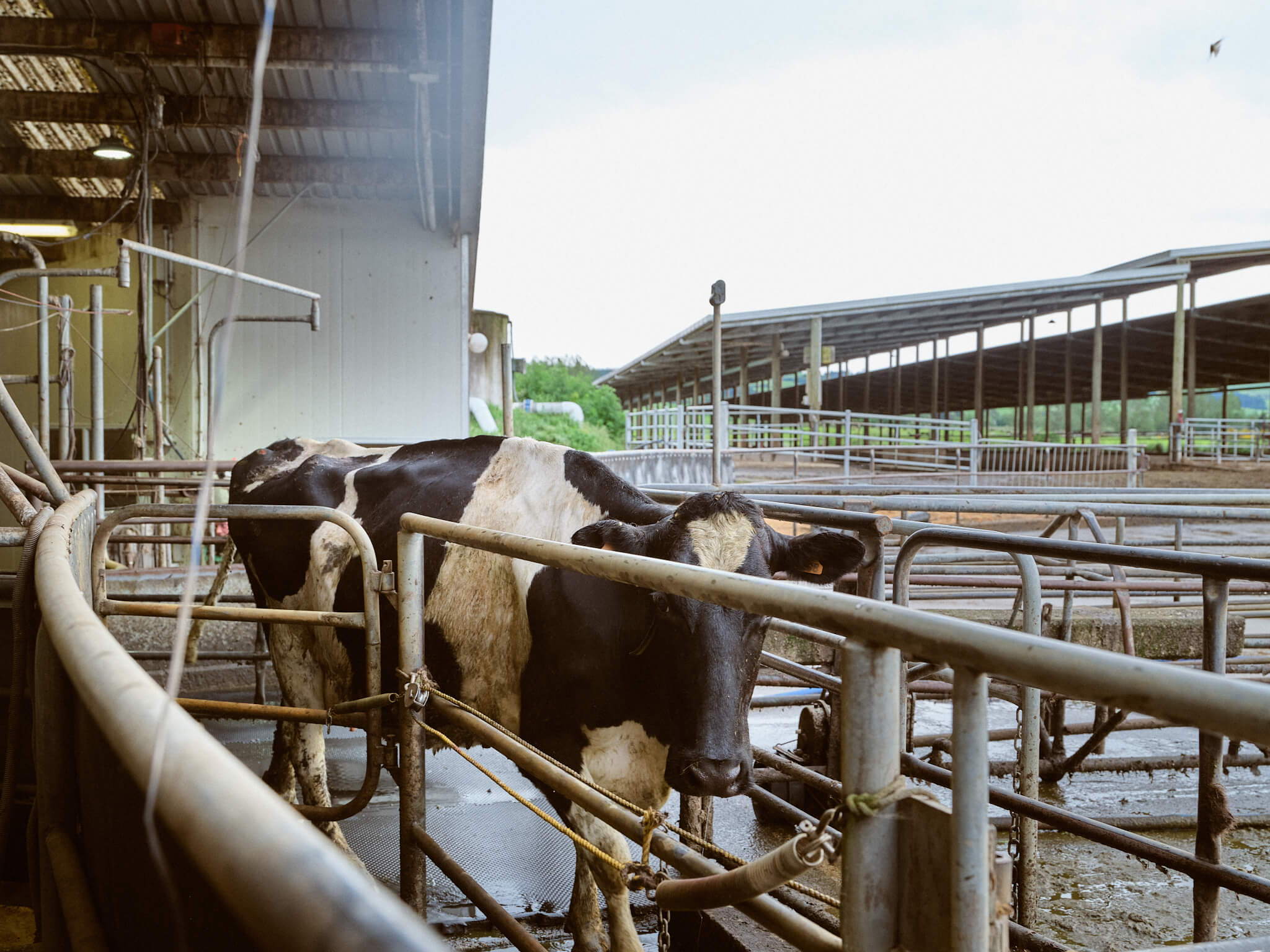
White River Dairies was one of the original 23 suppliers to Mataura Valley Milk, and their milk is processed at the Gore and Knapdale facilities. The farm is run by Paul and Kyllee, with three full-time staff . Their three children - Kate, James, and Emma - have grown up on the property, with the oldest two at university and the youngest, Emma, still at home.
Farming in this part of Otago comes with its own advantages. After originally farming in Edgecumbe and coming from North Waikato, Paul noticed the differences immediately. “We don’t have eczema on the cows, we don’t have flies, and we don’t have as many droughts,” he said. “You can budget for it. You make sure you’ve got the feed in front of you before you go into winter. And it’s just a beautiful part of the world to bring up a family.”

One of the more unexpected parts of their business is a side hustle that’s grown into a well-respected enterprise. When the Hentons built their big feed shed, they needed a 24/7 rubber matting suitable for cows in extreme weather, but nothing in New Zealand fi t the bill. Paul’s brother, who has been in manufacturing for 35 years, suggested they could design their own. They had a mould built, softened the design, and produced a premium matting made from a 50/50 mix of new and recycled rubber. They now run Agri-Tech Imports, which imports the rubber mats.
Word spread quickly. The mats, now known as Comfy Cow or Comfy Equine rubber matting, are used nationwide - not just on dairy farms, but in deer sheds, piggeries, horse floats, stables, home gyms, and more. They’ve since upgraded the product to include UV stabilisation after a client needed greater sun resistance, further improving longevity. “The cows love it,” Paul said. “It keeps them comfortable and milking well right through hot days and snow events.
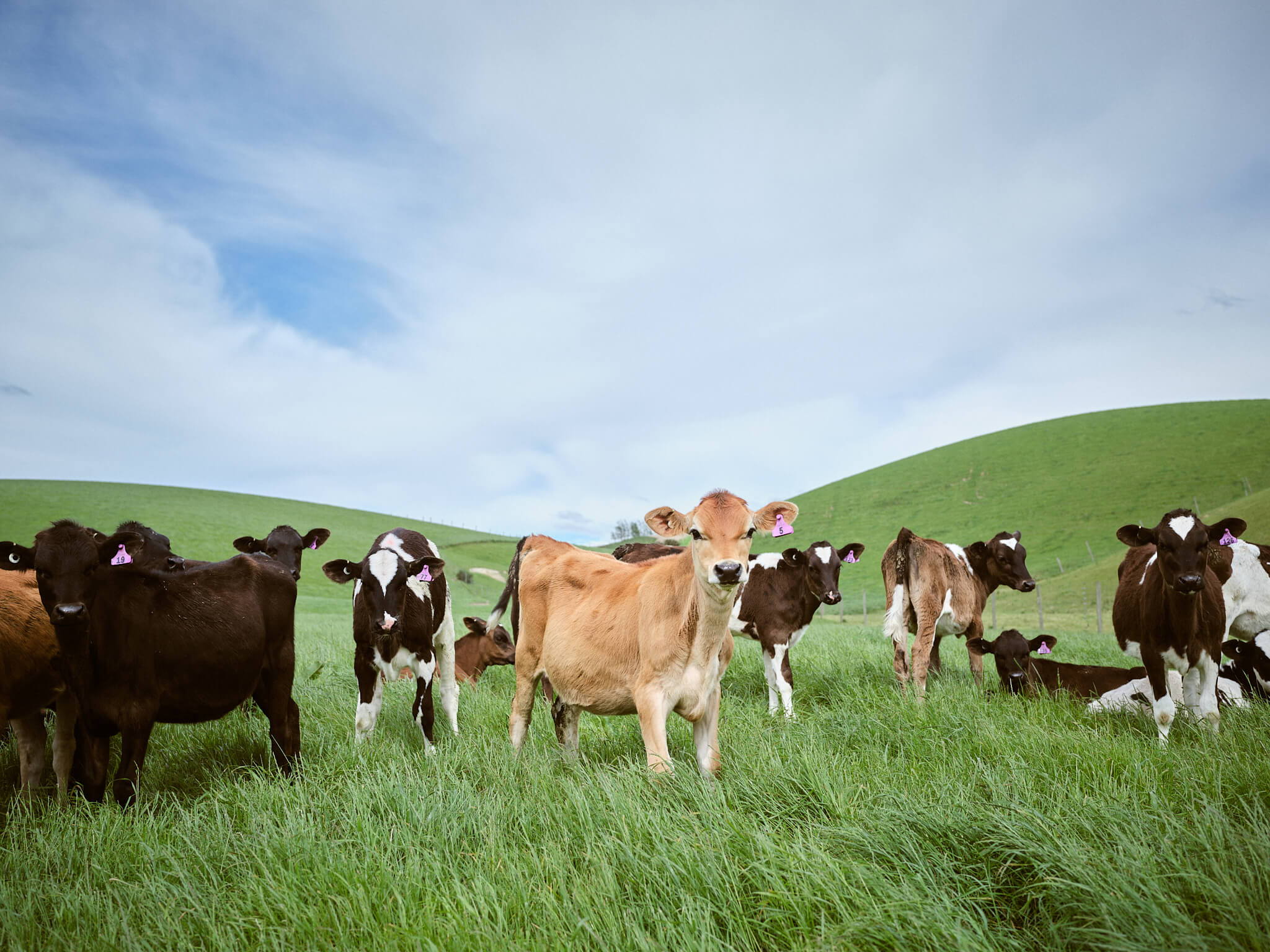
Comfy Cow rubber mats are heavy-duty interlocking rubber mats designed for use in wintering sheds, holding pens, and work areas. Each mat is 30mm thick, 1.8m x 1.2m x 30mm and covers 2 sqm when laid and interlocked with other mats. They weigh 53kg a piece and have a specially designed air-cushion comfort base with a textured top for increased grip. They can last more than ten years without needing to be replaced, and can be purchased at www.agritechimports.co.nz and delivered nationwide.
Another way the dairy farm does things differently is that it doesn’t follow the traditional DairyNZ template, and Paul is upfront about that. They feed cows up to 26 kilograms of dry matter per head per day - something once considered unrealistic within the industry. Instead of strict pasture walks and shifting breaks with reels, they focus on keeping cows fully fed through a system of homegrown crops, siloed feed, and smart supplementation. “If you keep cows fully fed, the milk quality takes care of itself,” Paul said. “And it lets you sleep at night.”
The crop rotation is deliberate and efficient. They grow beet on the silage block to lift and feed back in early lactation, then soft turnips take over through mid-summer. By late February, beet is back on the menu and continues right through to the end of the milking season. Come April, any remaining beet is lifted and replanted into winter wheat, harvested later as whole-crop silage. It’s a tightly systemised loop that keeps cows fed while reducing reliance on expensive imported feed. “We used to buy DDG and soy,” Paul said. “Now we just use palm and a bit of crushed barley over mating.”
Caring for cow health is a key part of the operation, anchored by a strong focus on mineral balance and consistent feed quality. The farm works closely with consultant Bryan McKay, whose expertise Paul speaks highly of.
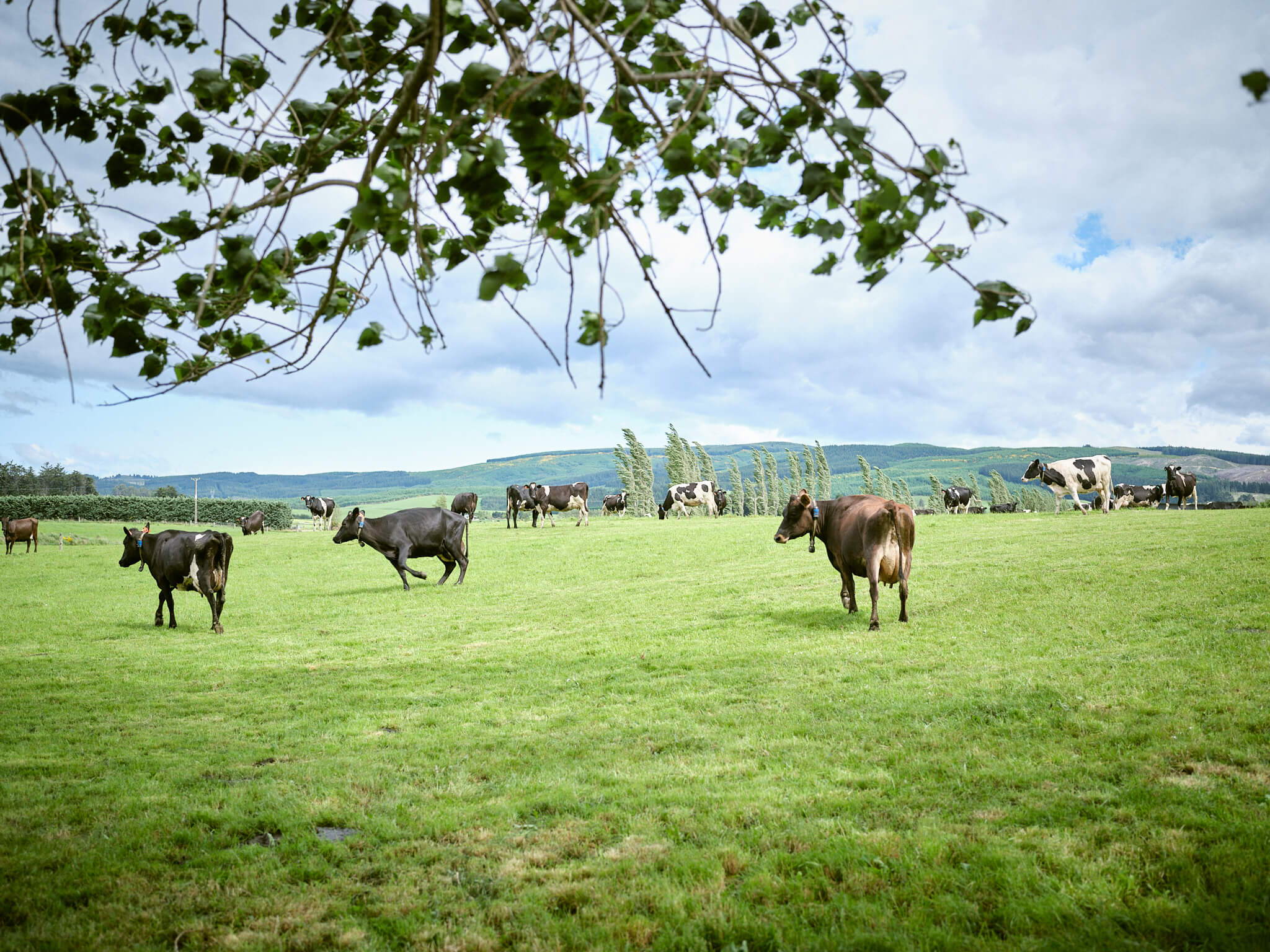
Paul is clear about why that matters. He’s farmed through droughts in the Waikato - experiences that shaped his perspective on animal care and personal satisfaction. “We enjoy seeing cows in good condition. We are animal people,” he said, laughing about their menagerie at home. “We’ve got ducklings running around the house that the cat brought in, a cockatoo, horses, dogs - it’s a bit of a zoo.”
Sustainability, for the Hentons, is about efficiency.
“The more efficient we are at doing everything, the more profitable we are. We can reduce our impact on the environment when we increase efficiency,” he said. Their environmental records back this up, so much so that when Ballance Agri-Nutrients reviewed their data, he numbers were double-checked multiple times because they looked too good to be true. “Whatever we’re doing, don’t change it,” was the final verdict.
The farm has also performed strongly in independent Alltech assessments, reinforcing the value of careful nutrient management and feed utilisation.
Weather, however, remains a constant challenge. Snow events are regular in this low-lying pocket of Southland, and the frosts are severe enough to burn off winter grass. To combat this, they keep more of their feed conserved as silage rather than relying on pasture during the colder months. The feed barn, with its own Comfy Cow rubber mats, is a key part of the strategy, allowing Paul and Kyllee to continue milking cows into June and gain extra value from late-season milk and stronger cull returns. At its core, White River Dairies is an efficient, resilient farm with a clear sense of direction.
For Paul, pride in farming comes down to one simple truth. “We’re creating food for the world, and it’s healthy food,” he said. “Cows are the best recyclers in the world - they can turn something like sawdust into milk. That’s how good they are at producing something nutritious.”
White River Dairies is a story of efficiency, adaptability, and a family who has carved their life out of a beautiful but demanding part of the country. It’s a story of challenges weathered, systems refi ned, and a quiet confidence that comes from knowing your cows, your land, and your operation inside and out.